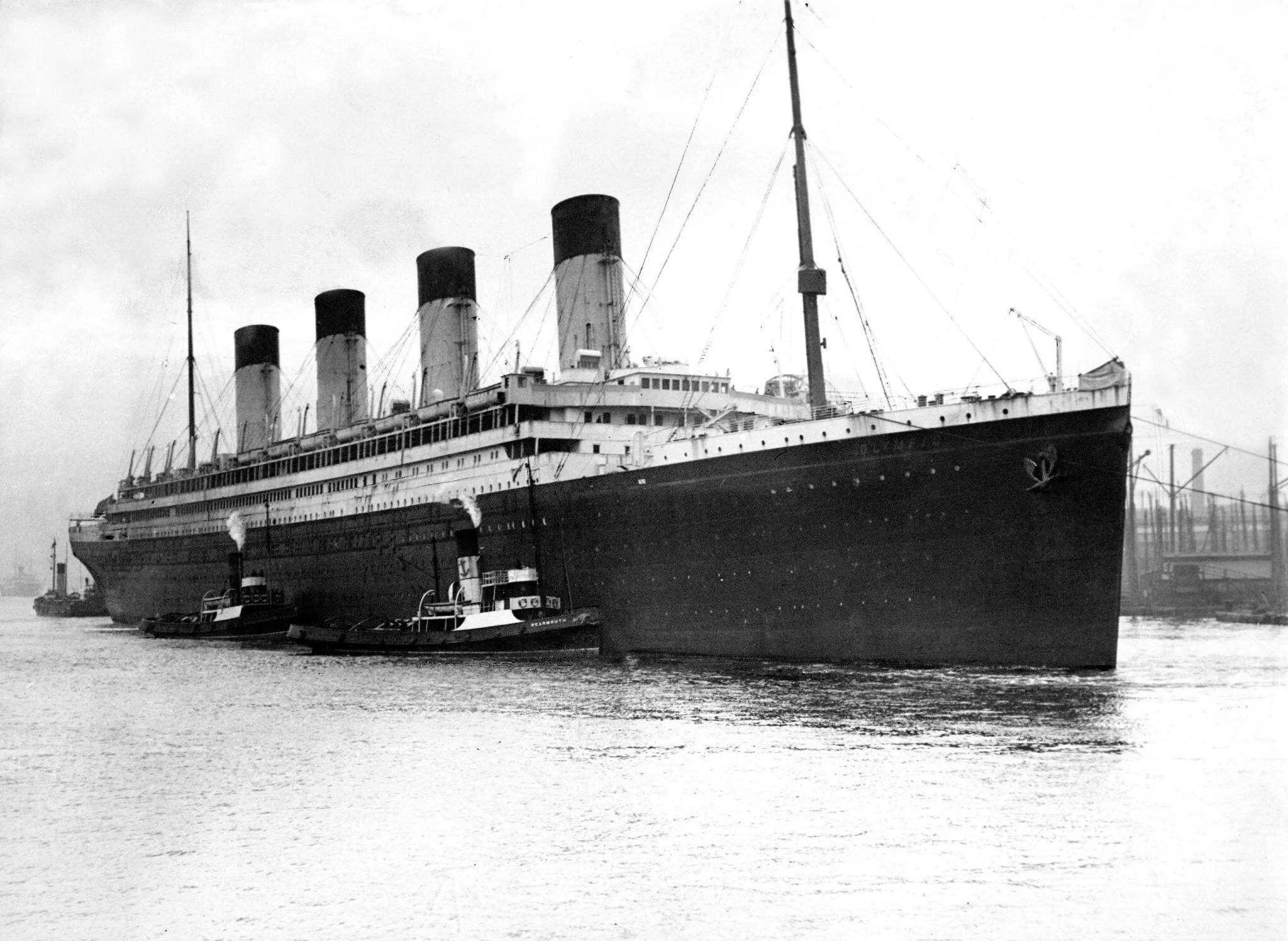
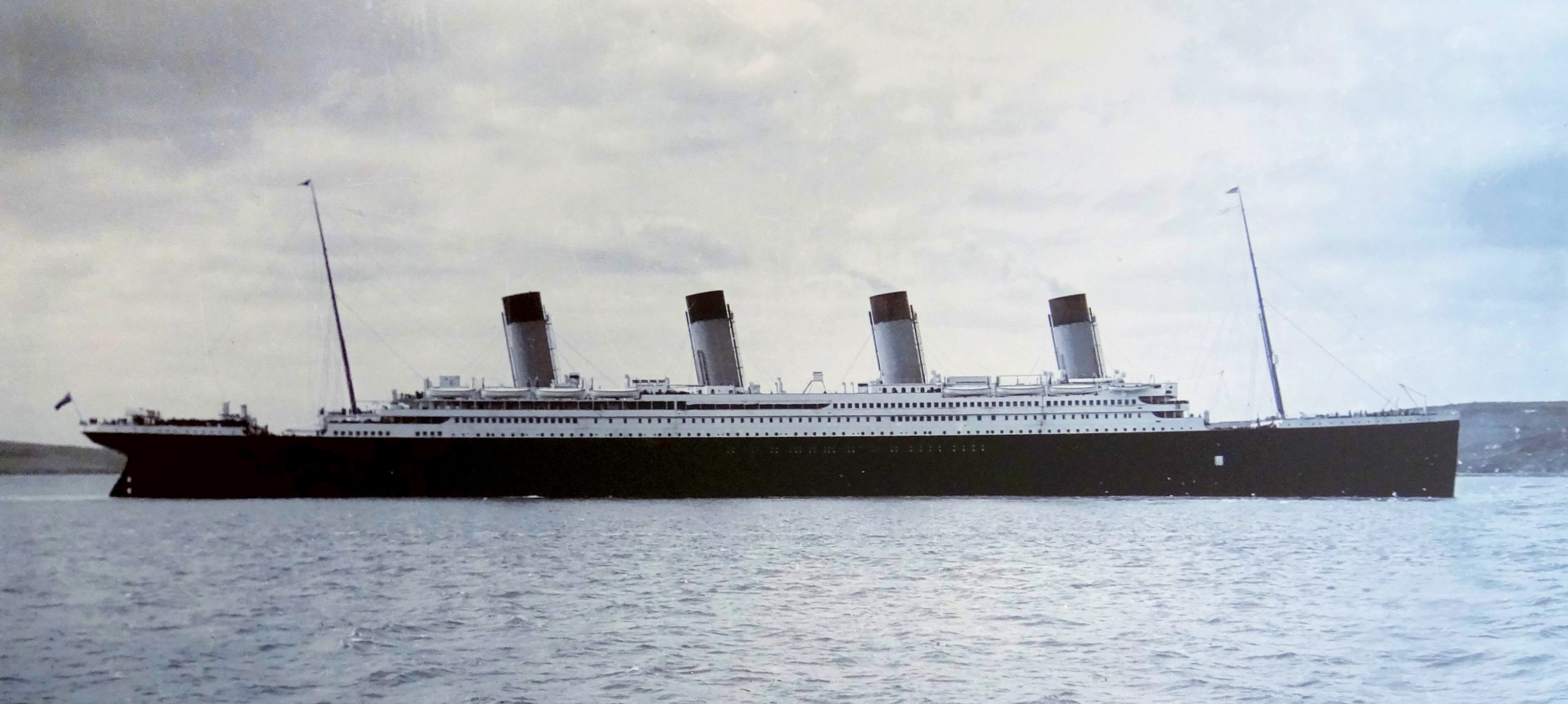
From Olympic to Titanic — Design Revisions Between Sisters
A curator-minded path through the adjustments made between Olympic and
Titanic: not a story of wholly different ships, but of a first unit tested in service
and a second unit refined through observation, commercial ambition, and selective revision.
Primary ContextWhite Star Line refinement of the Olympic-class passenger experience
Collection ScopeFrom Olympic’s launch and early voyages to Titanic’s fitting-out, interiors, promenade changes, and service readiness
Research Collections group ship guides and interpretive themes into curator-framed pathways that emphasize shared structures,
design logics, and larger historical meanings. This collection focuses on the short but revealing interval between
Olympic entering service and Titanic being completed: a period in which White Star and Harland & Wolff could
study a working ship and translate experience into revision.
Read this way, Titanic becomes more than a sister ship frozen in parallel with Olympic. She can also be read as a
response to the first ship’s real-world operation. Changes to enclosed promenade areas, the arrangement of staterooms and suites,
the treatment of reception spaces, and the allocation of passenger amenities suggest a line learning quickly from its own flagship.
The ships remained fundamentally alike, but their differences reveal what operators believed passengers valued most.
Some differences are visual and immediately legible, especially in the B Deck profile. Others are subtler: revised cabin groupings,
altered public-room details, changes in the use of open deck versus enclosed private accommodation, and adjustments to the social grammar
of first-class space. There are also smaller distinctions in promenade treatment, reception planning, café arrangement, and the exact
relationship between public luxury and premium privacy. Taken together, these changes make Titanic a particularly revealing second
unit: not an entirely new design, but a ship in which White Star sharpened certain priorities after seeing the first sister in use.
Curator’s Note
Interpretive note: this collection is most useful when the differences between Olympic and Titanic
are treated as evidence of adjustment rather than mythic transformation. The question is not whether Titanic was a different
concept, but where White Star chose to refine an already successful design. The revisions matter precisely because the class remained so
recognizably consistent beneath them. The strongest comparisons tend to be spatial rather than legendary: where promenade space became
interior space, where first-class privacy increased, where public rooms were rebalanced, and where commercial value seems to have guided
the reallocation of square footage.
Collection Focus
Service Experience as Design Feedback
Operational Learning
Olympic provided a live test of circulation, promenade use, premium accommodations, and passenger priorities. Some of
Titanic’s revisions can be read as direct answers to what that first season revealed.
Enclosure and Revenue Logic
B Deck
The partial enclosure of the B Deck promenade is one of the clearest signals that open deck space could be traded for larger and
more desirable first-class interiors, especially where premium suites and private promenade advantages could command attention.
Refinement Within Class Consistency
Sister Identity
The underlying Olympic-class logic did not change. What changed was emphasis: Titanic selectively refined luxury,
privacy, and spatial hierarchy while retaining the broader structural and visual identity of the class.
Key Areas of Difference
B Deck Promenade Enclosure
Exterior / Interior
The best-known alteration is the partial enclosure of the forward first-class B Deck promenade on Titanic. On
Olympic, more of this space remained open. On Titanic, part of that promenade was absorbed into enlarged
private accommodation, shifting value from shared outdoor deck area toward exclusive interior luxury.
Expanded First-Class Suites
Accommodation
Titanic is especially notable for the enlargement and enhancement of certain first-class suites, including spaces that
benefited from better placement and greater privacy. The revisions suggest a stronger premium placed on apartment-style travel
and on high-end passengers who expected more than standard stateroom arrangements.
Private Promenade Advantages
Elite Use
By modifying the arrangement of select first-class spaces, Titanic offered a more controlled relationship between suite,
corridor, and promenade access. This matters because it shows White Star refining not just room count, but the quality of elite
passenger experience through adjacency and seclusion.
A la Carte Restaurant / Café Parisien Relationship
Public Rooms
The treatment of the restaurant complex differed between the ships, especially in how the Café Parisien related to surrounding
first-class spaces. Titanic is often read as presenting a slightly more developed and fashionable social environment in
this part of the ship, reinforcing the role of selective dining as a prestige amenity rather than a mere supplement to the main saloon.
Reception and Lounge Adjacencies
Social Flow
The comparison between the ships is also useful at the level of social flow: how passengers moved between lounges, reception spaces,
promenade routes, and private rooms. Even where rooms remained broadly similar, their perceived usefulness could shift through
changes in neighboring spaces and patterns of movement.
Cabin Mix and Hierarchy
Commercial Logic
The differences between the ships suggest not wholesale redesign, but rebalancing. Titanic can be read as slightly more
deliberate in how accommodation categories were distributed and marketed, especially where lucrative first-class space competed with
open deck area or more conventional room arrangements.
Timeline
1911
Olympic Launches the Class in Practical Form
With Olympic’s completion and entry into service, the Olympic class moved from plan to experience. Passenger movement,
promenade preferences, the value of private versus public luxury, and the practical use of major spaces could now be observed rather
than imagined.
1911
Early Voyages Expose Which Spaces Matter Most
The first voyages of Olympic offered White Star a rare opportunity: a near-complete prototype already in operation while her
sister was still being finished. Feedback did not need to overturn the design to shape its priorities.
1911–1912
Titanic’s B Deck Is Revised for Larger Premium Accommodation
One of the best-known differences is the enclosure of part of the forward first-class B Deck promenade on Titanic, allowing
for expanded suites and a more sheltered, exclusive arrangement. This is a useful example of deck space being revalued in commercial
and experiential terms.
1911–1912
First-Class Apartments Become More Assertive
The revised B Deck arrangement was not an isolated alteration. It formed part of a broader pattern in which Titanic gave
additional weight to high-end accommodation, suggesting that the line saw competitive value in more expansive, more exclusive,
and better-positioned first-class suites.
1911–1912
Restaurant and Café Space Reflect a More Fashionable First-Class Tone
Differences in the treatment of the A la Carte Restaurant and Café Parisien reinforce the sense that Titanic was not only
being completed, but subtly tuned to contemporary expectations of high-end Atlantic travel: selective dining, sociability, and
curated ambiance mattered as much as sheer size.
1911–1912
Cabins and Staterooms Are Adjusted Rather Than Reinvented
The revisions between sisters suggest fine-tuning in the distribution and desirability of accommodation, particularly in first class.
Titanic can be read as slightly more assertive in how it packaged elite privacy, suite prestige, and adjacency to favored
public rooms and promenades.
1912
Titanic Enters Service as a Refined Second Unit
When Titanic sailed, she did so not as a separate design generation, but as the second expression of a proven one. Her
importance lies partly in how little needed changing—and partly in how carefully certain details were improved.
After 1912
The Surviving Sister Highlights the Comparison
Because Olympic survived and continued in service, the relationship between the two ships remains unusually legible. Their
comparison is most revealing not at the level of legend, but in the measured study of layout, amenities, evolving passenger logic,
and the commercial reasoning embedded in seemingly small plan changes.
The most revealing way to compare Olympic and Titanic is not to search for dramatic difference, but to watch where
White Star made selective revisions after seeing the first ship at work. In those adjustments, the commercial and social priorities of
the Olympic class come sharply into view.
Read Olympic as the first working statement of the class: the ship whose launch, voyages, and reception helped define what
would be retained and what would be revised.
Read Titanic not only as a famous ship in her own right, but as a refined second unit whose small differences reveal larger
design and commercial priorities.
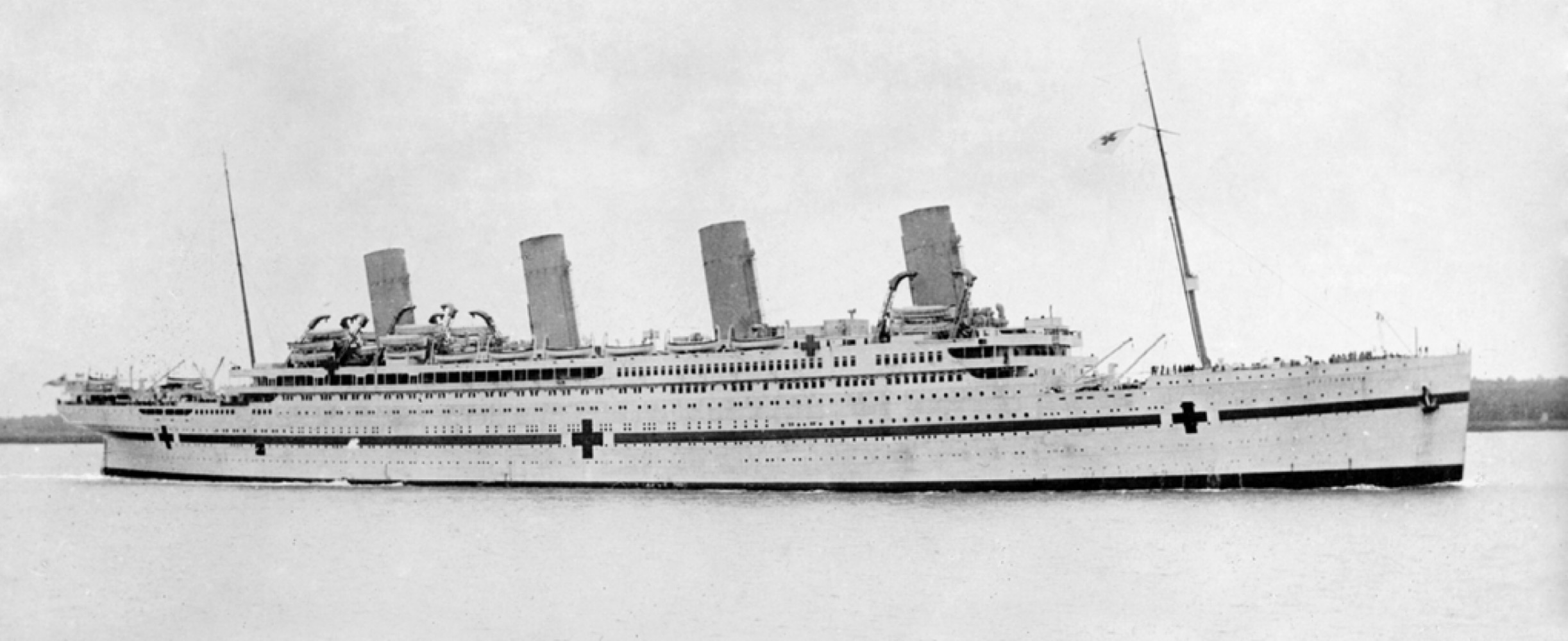
The third sister helps frame how the class continued evolving after Olympic and Titanic, including what later
modifications suggest about shifting priorities and interrupted intentions.