MV Britannic (1930)
White Star Line · launched 1929 · entered service 1930 · Ship Guide
Overview
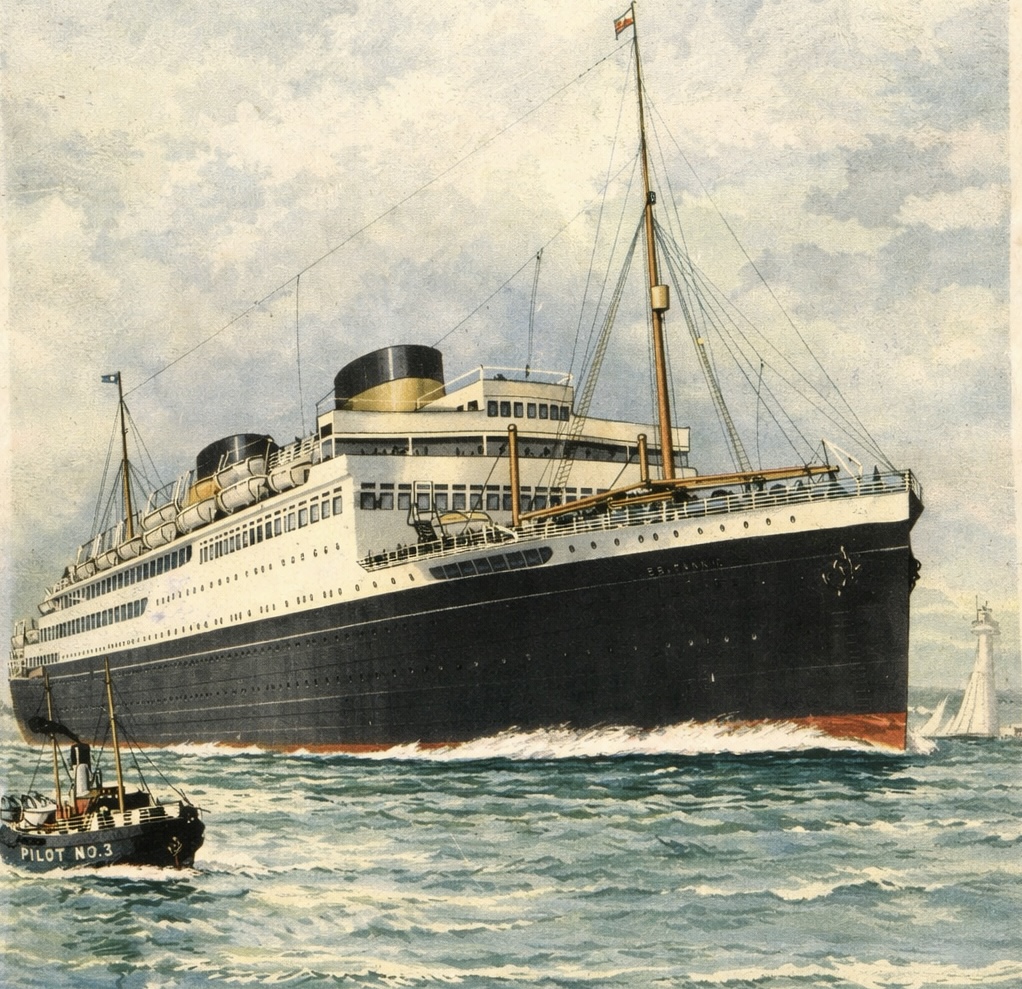
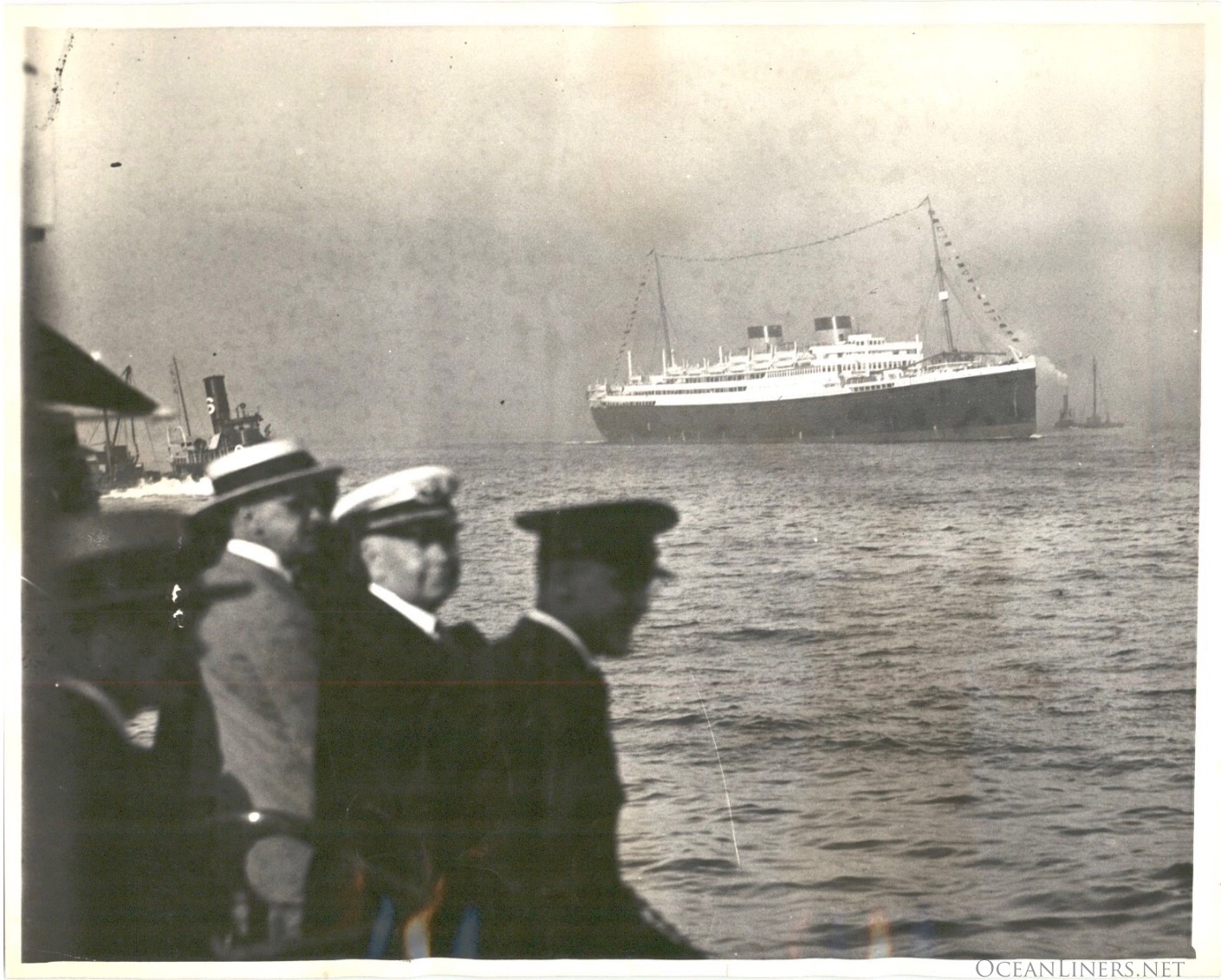
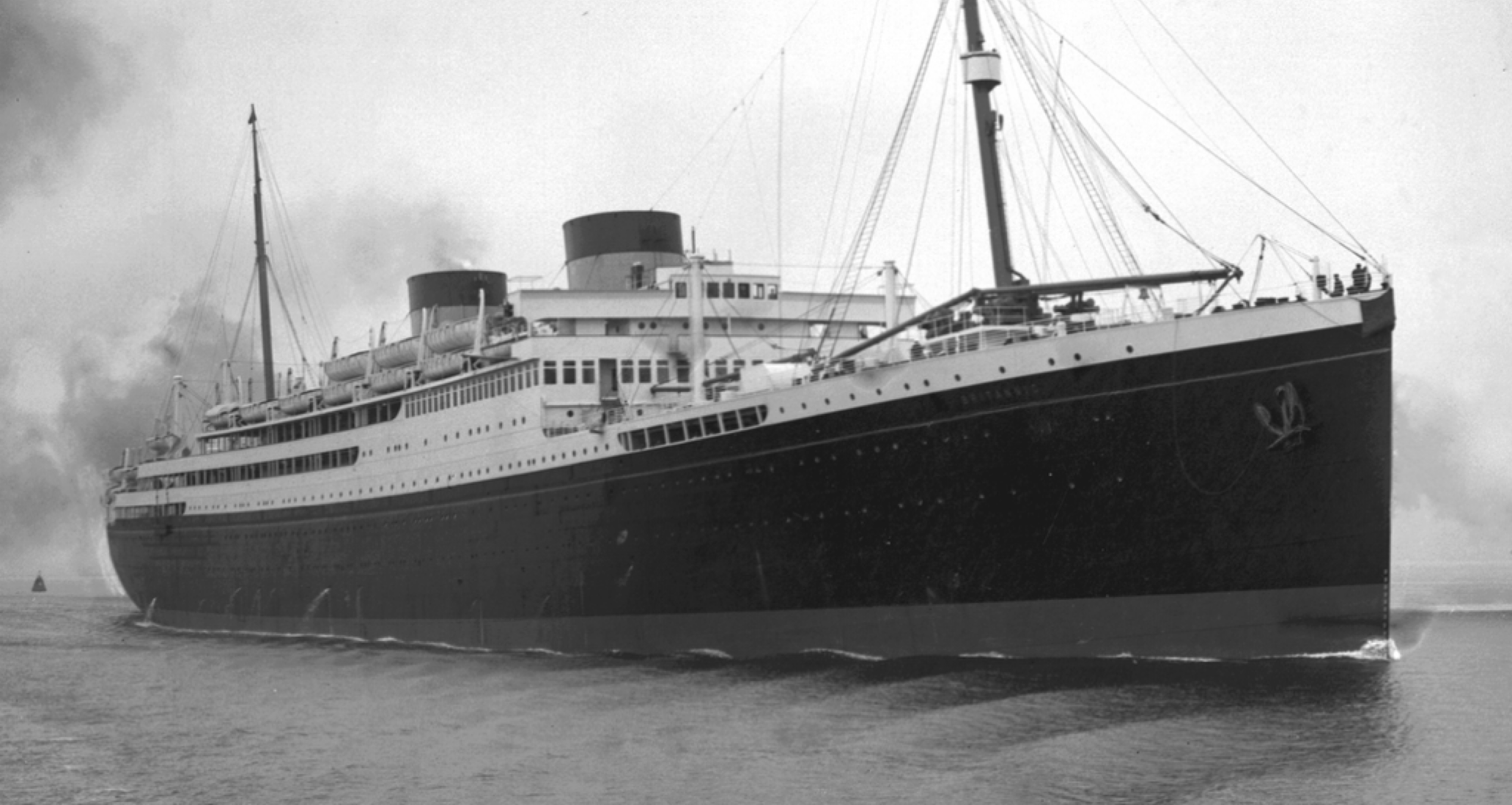
MV Britannic was the third White Star Line ship to bear the name and one of the company's most successful late vessels. Harland & Wolff built her at Belfast as yard no. 807. Launched on 6 August 1929 and delivered on 21 June 1930, she began her maiden voyage from Liverpool for New York on 28 June.
Unlike White Star's famous steam liners, Britannic was a motor ship powered by diesel engines. Together with her younger running mate MV Georgic, she represented a deliberate turn toward lower operating costs and modern cabin accommodation rather than record speed. At 26,943 gross tons as built, she was then the largest British motor ship.
Her career lasted three decades and crossed three corporate identities—White Star Line, Cunard-White Star, and Cunard—plus nearly eight years of wartime government service. She survived the Second World War, returned after a major refit, and remained in White Star colors until retirement in 1960.
Why this relatively economical motor liner matters within White Star's final chapter.
Key Facts
Registered, overall, and post-refit measurements differ among sources because they describe different conventions and dates. This guide keeps those contexts separate rather than presenting them as contradictory.
White Star's Motor-Liner Strategy
Britannic was not intended to outpace the great express ships. Her significance was economic. Diesel propulsion eliminated the boiler-room labor and fuel-handling demands associated with large coal- or oil-fired steam installations, while still providing a dependable schedule. That mattered enormously to a company operating in the depressed passenger market of the early 1930s.
Her relatively broad passenger mix—cabin, tourist, and third class at entry into service—also reflects the changing Atlantic market after U.S. immigration restrictions sharply reduced the mass migrant traffic that had supported earlier liners.
Interwar Service
1930–1934: Britannic operated from Liverpool to New York and also undertook cruises, often spending winter periods in leisure service.
1934: the Cunard–White Star merger placed her in the combined fleet. She retained strong White Star visual identity, including the buff-and-black funnel and house flag.
1935–1939: she was transferred to the London–New York service, with calls including Le Havre, Southampton, and Cobh depending on period schedules.
Second World War
Britannic was requisitioned on 27 August 1939, before Britain formally entered the war. After conversion she carried military personnel to Bombay, then alternated government work with limited commercial Atlantic operation before being fully committed again to troop transport in August 1940.
Her wartime voyages ranged across the Atlantic, Indian Ocean, Mediterranean, and South African routes. Published totals vary slightly by source and by what is counted, but institutional and company histories agree that she carried more than 170,000 people—often summarized as over 180,000 troops and service personnel—and steamed well over 300,000 nautical miles on war-related work.
That survival distinguishes her sharply from many older liners requisitioned during the conflict. She was not merely preserved in reserve: she accumulated an exceptionally intensive global transport career.
Postwar Refit and Return
Released back to Cunard-White Star in March 1947, Britannic underwent an extensive refit before returning to passenger service in May 1948. Accommodation was reduced from three classes to two, with 429 first-class and 564 tourist-class berths commonly cited after the reconstruction. Cabins and public rooms were modernized, private facilities increased, and fire-detection systems improved.
After Cunard acquired the remaining White Star interests, the corporate White Star name disappeared, but Britannic continued to wear White Star colors. Following Georgic's withdrawal in the 1950s, she became the last surviving White Star-built liner in active passenger service.
Her final New York voyage ended in late 1960. She then left Liverpool for Inverkeithing, where dismantling began around the turn of 1960–61.
Interpretive Notes
Three Britannics: White Star's 1874 Britannic, the Olympic-class HMHS Britannic, and this motor liner are easily confused in undated listings. Propulsion terminology, date, silhouette, company imprint, and route are all useful disambiguators.
White Star after White Star: late material can legitimately carry White Star visual identity while belonging to Cunard corporate operation. Branding and ownership should therefore be dated separately.
Wartime objects need phase labels: troopship documents, peacetime passenger ephemera, and postwar Cunard material all belong to the same hull but represent materially different uses and audiences.
Evidence-first ship guide