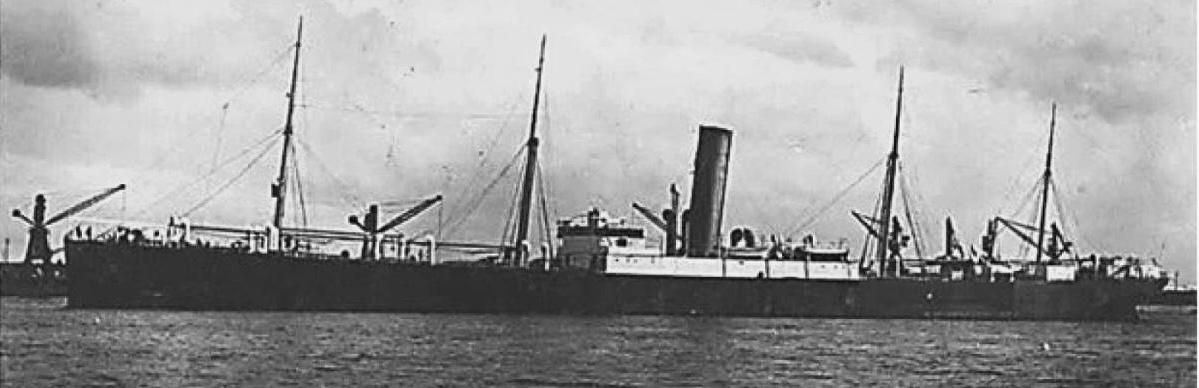
SS Belgia
Hamburg America Line · 1898 · Ship Guide
Overview
SS Belgia is unusual because the historically significant name belongs to a ship that never actually entered service under it. Hamburg America Line planned the vessel as the fifth large B-class emigrant steamer, but Harland & Wolff yard no. 327 was sold before completion to Atlantic Transport interests and launched at Belfast on 5 October 1899 as Michigan.
The previous guide placed the Dominion Line transfer and renaming to Irishman in 1900. Fleet records instead show Michigan chartered to the National Line from 1900 and sold to Dominion Line in 1904, when she became Irishman. That correction materially changes the early ownership timeline.
Key Facts
The Ship HAPAG Did Not Take
The intended Belgia belonged to HAPAG’s large B-class emigrant/freight program, but commercial decisions changed before delivery. Harland & Wolff’s own ship list records yard 327 as Michigan, launched on 5 October 1899 for Atlantic Transport.
This makes “SS Belgia” a construction-program identity rather than an operating name. No passenger list, menu, or sailing notice should be attributed to a completed HAPAG service career under that name unless the object is explicitly pre-delivery or planning material.
Michigan: Atlantic Transport and National Line
As completed, the ship entered British-controlled Atlantic service as Michigan. National Line fleet records place her on charter from Atlantic Transport beginning in 1900. Her commercial role emphasized passenger-cargo and freight work rather than express-liner prestige.
The early Michigan phase therefore lasted longer than the previous guide implied and should be treated as a distinct four-year operating identity before the Dominion Line purchase.
Irishman from 1904
Dominion Line records state that the company purchased the 1899 Michigan in 1904 and renamed her Irishman. She spent the rest of her working life under that name, serving within the interconnected British and International Mercantile Marine freight-passenger network.
This 1904 correction is especially important for dated photographs and manifests. Material from 1900–03 should not be cataloged as Irishman merely because the same hull later carried that name.
B-Class Context and Migration Economics
The intended Belgia belonged to a family designed around high-capacity migration and freight rather than express speed. Broad cargo spaces, twin screws, and comparatively modest speed suited a market in which steerage traffic and general cargo could be more commercially important than luxury publicity.
That broader B-class context explains why the ship could be redirected so readily before delivery. The hull was useful even after HAPAG’s original plan changed because the underlying passenger-cargo design fit the needs of several Atlantic operators. The sale was not a sign that the vessel itself had failed; it was evidence of how transferable large merchant tonnage could be around 1900.
Collecting and Naming Discipline
Surviving records can be especially confusing because “Belgia” is absent from normal operating documentation. A photograph captioned Irishman, a National Line passenger record for Michigan, and a HAPAG fleet-planning reference to Belgia can all describe the same hull at different documentary stages.
The safest cataloging practice is therefore to record both the operating identity and the intended HAPAG identity when relevant. That preserves the B-class connection without inventing voyages under a name the completed ship never actually carried.
Why Belgia Matters
The ship is valuable precisely because her planned and actual identities diverged. Belgia completes the conceptual story of the HAPAG B-class, while Michigan and Irishman document the real commercial life of yard no. 327.
For cataloging, “Belgia” should be used as an intended HAPAG identity with an explanatory note, not as the default name for the vessel’s operating career. Date, owner, and printed ship name should determine the primary record.
Evidence-first ship guideSources (Selected)
The ship’s intended name and ownership transfer are sometimes summarized differently. Publish-ready research should compare Harland & Wolff construction records, contemporary registers, and operator fleet documentation.