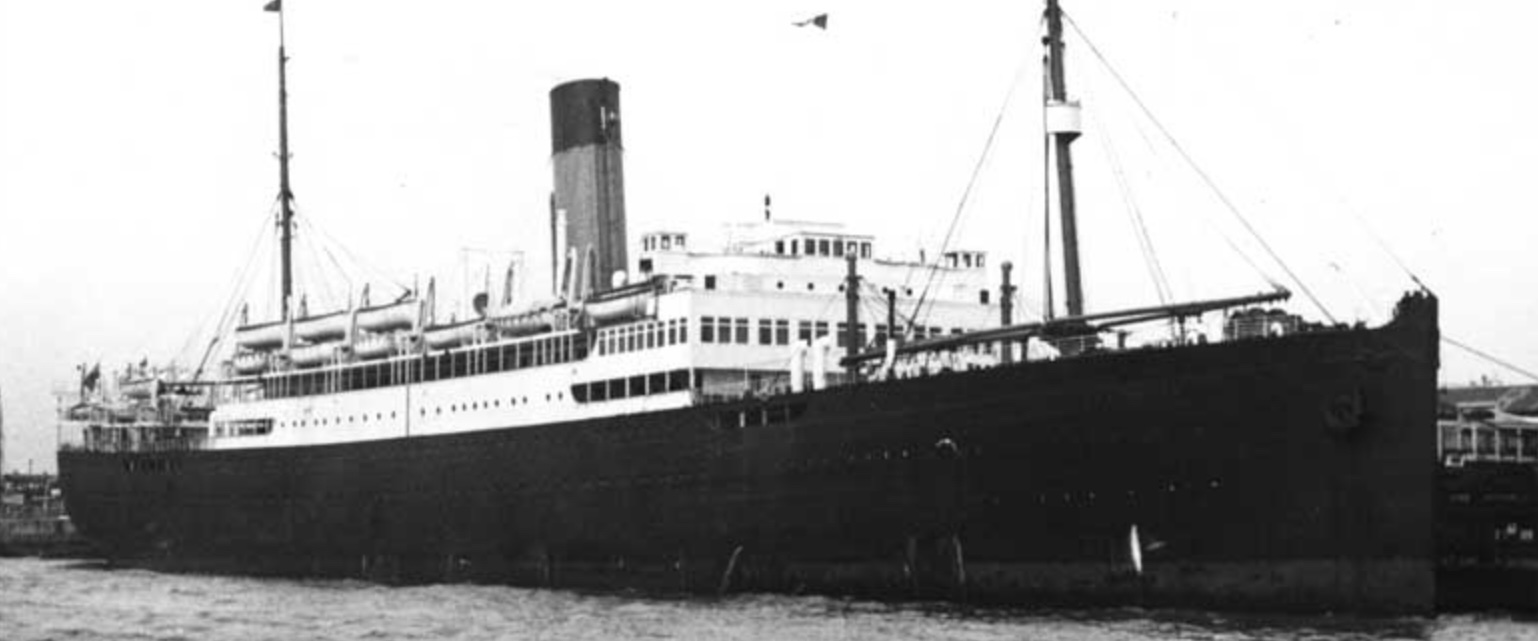
SS Calgaric
White Star Line (ex-Orca) · 1917 · Ship Guide
Overview
SS Calgaric began life as Orca, built by Harland & Wolff (Belfast) during World War I for the Pacific Steam Navigation Company. Completed for wartime needs rather than her intended passenger role, she entered service in 1918 and only became a true passenger liner after major postwar refitting.
In the mid-1920s—through the Royal Mail group’s control of multiple shipping interests—Orca was transferred into White Star Line service, refitted again, and renamed Calgaric (after Calgary) for Canadian routes. She is best remembered for late-1920s transatlantic work and cruising, followed by lay-up in the Depression and disposal for scrap in 1934 (with breaking-up commonly described as 1934–1935 depending on source).
Key Facts
Evidence-first note: because Calgaric changed purpose and accommodations through refits (and sources summarize these differently), treat passenger capacities and “class” labels as date-specific. Prefer a brochure, sailing list, or passenger list that matches a known year.
Design & Construction Context
Built during wartime at Harland & Wolff, Orca belonged to a small family of related ships frequently described as sharing the same general dimensions and machinery concept (three-screw “combination” propulsion). Her intended role—an ocean liner for long-distance service—was deferred by war completion requirements.
From a collecting perspective, this matters because early documentation can reflect cargo/transport realities rather than a finished “liner identity,” and later White Star material reflects deliberate re-framing for Canadian routes and cruising work.
Service History (Summary)
1917–1918: Launched in April 1917 and delivered in 1918 as Orca, completed in a utilitarian wartime configuration.
1922–1926: Refit and conversion into passenger service (often described as “ocean liner” service beginning in 1923). In this era, you’ll see printed matter associated with Royal Mail group networks and route presentation that can differ from later White Star branding.
1927–1929: Transferred into White Star Line operation and renamed Calgaric. She worked Liverpool–Canada services (and later London–Canada in many summaries) and also undertook cruising—a common strategy for the late-1920s market.
1930–1934: Laid up as the Depression hit passenger shipping; briefly returned for limited service in the early 1930s in some accounts, then sold for scrapping in 1934.
Interpretive Notes
How Calgaric shows up in collections: White Star Canada-era material is the most recognizable: sailing schedules, tourist-class brochures, baggage labels, passenger lists, and postcards. Pieces that name Quebec/Montreal (or later London–Canada framing) can be strong anchors.
“Orca” vs “Calgaric” cross-check: because the ship’s identity changes across owners and refits, verify the date and operator before making claims. Curator practice: look for the company address line, ticket conditions, port sequence, and printer imprint to place an object in the correct phase.
Refit caution: capacities and class labels (First/Second/Third vs Tourist class terminology) shift by period. If a seller’s description relies on a single capacity figure, treat it as approximate unless tied to a dated document.
Evidence-first ship guideSources (Selected)