Ocean liners occupy a peculiar place in the imagination. They were machines — vast, industrial, and engineered with uncompromising seriousness — yet they also represented elegance, ceremony, and a way of traveling that has almost completely disappeared.

There is something almost inexplicable about the hold that ocean liners have on the imagination — and yet, if you spend any time with them, the reasons become perfectly clear.
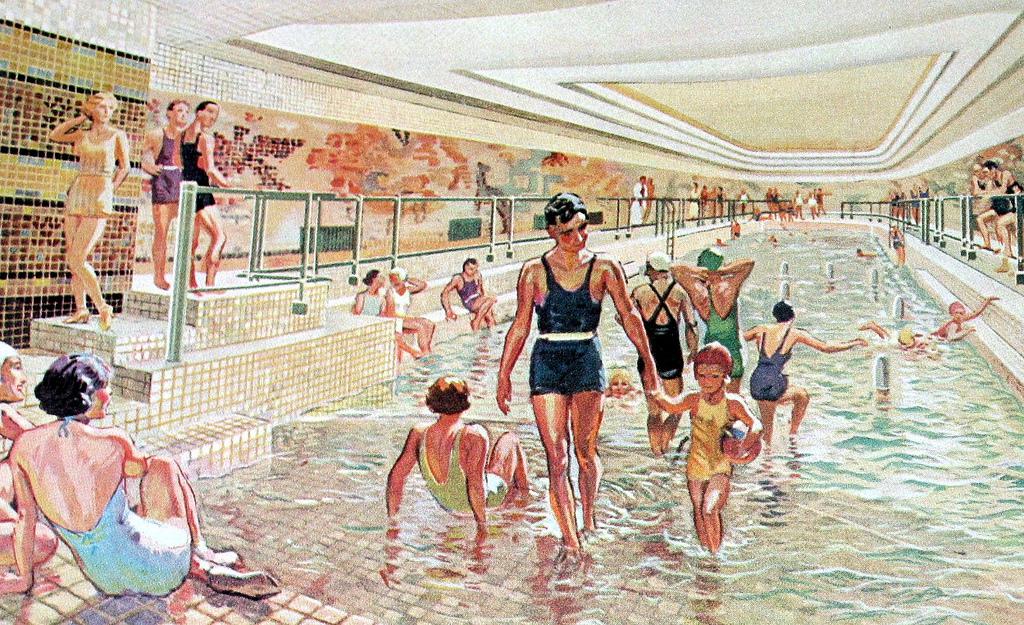
First, there is the sheer scale. These were not boats. They were floating cities, engineered to a standard of ambition that makes most modern construction look timid. The Queen Mary stretched nearly 1,020 feet. The Normandie carried an indoor swimming pool, a theater, and dining rooms larger than the Hall of Mirrors at Versailles — all suspended on a hull crossing three thousand miles of open Atlantic.
The engineering alone is staggering, but what makes it extraordinary is that it was all done in service of elegance, not just function.
That elegance is the second reason. Ocean liners occupied a unique moment in history when industrial power and fine art genuinely collaborated. The great ships of the 1930s were not decorated — they were decoration.
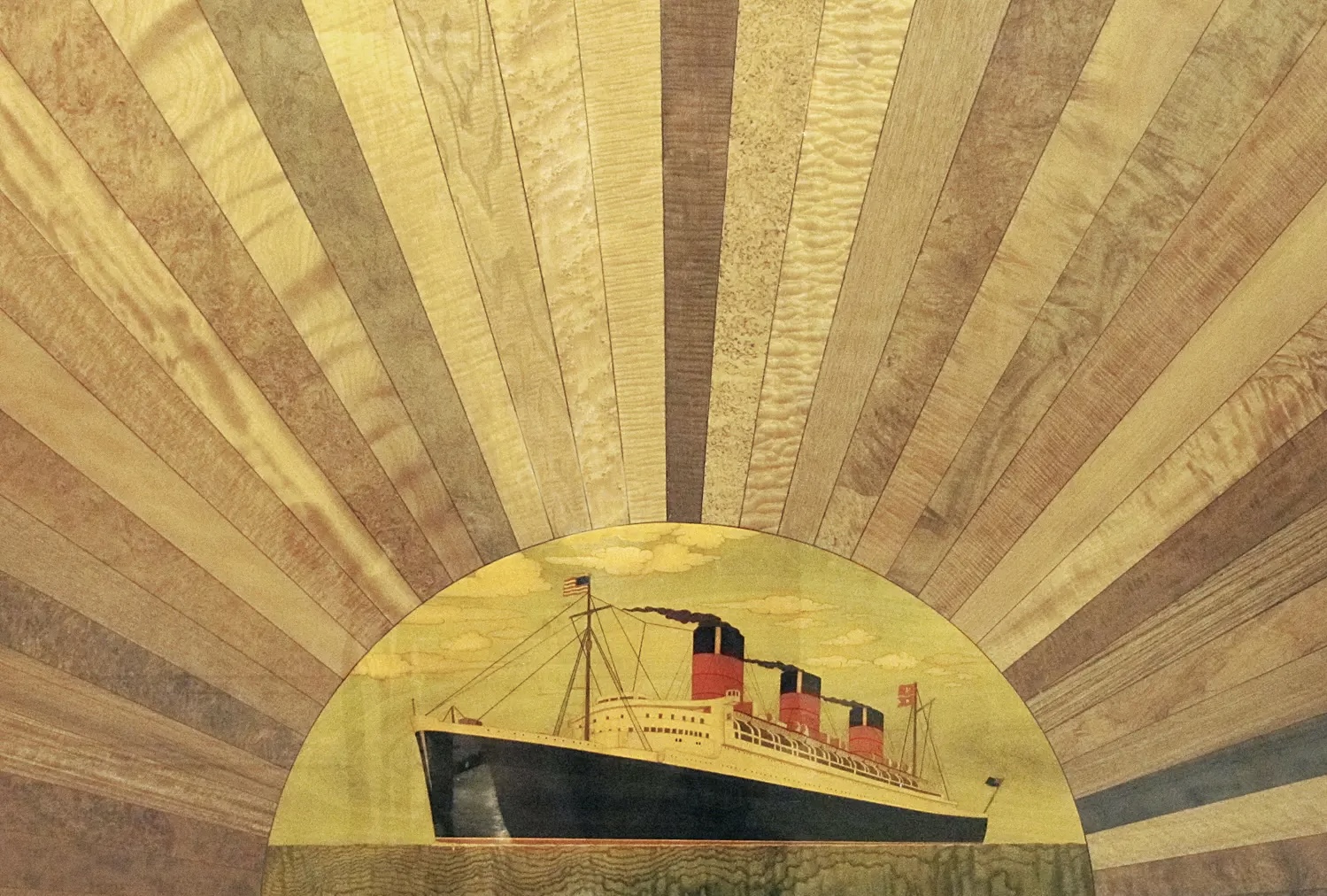
French Line commissioned painters, sculptors, and lacquerwork masters to outfit the Île de France and Normandie. Cunard brought in the finest British craftsmen for the Queens. Every handrail, every light fixture, every mural was considered.
No object produced before or since has married mass and beauty in quite that way.
Then there is the romance of the voyage itself. An ocean crossing in the liner era was an event — days of suspension between worlds, neither here nor there, insulated from ordinary life by open water.
Passengers dressed for dinner, danced in the ballroom, watched the horizon. Time moved differently at sea. That quality of enforced leisure and communal elegance is simply gone from modern travel, and its absence makes the liner era glow all the more brightly in retrospect.
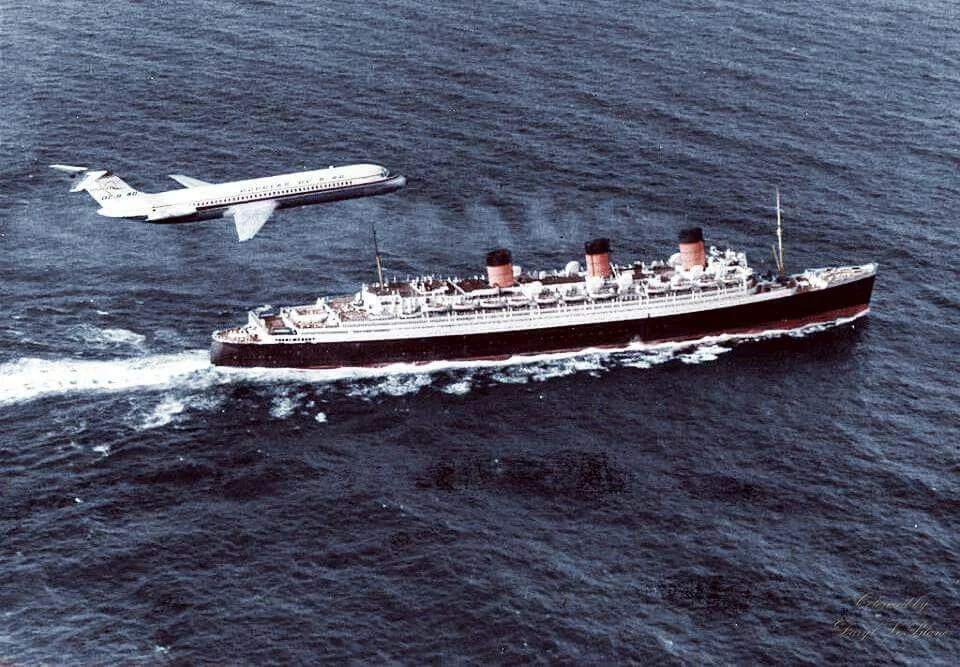
Finally, liners are cool because they ended. The jet age killed them with brutal efficiency, and their disappearance left a silence that still echoes.
We have cruise ships now — enormous, capable, and largely charmless. But the true ocean liner, built to cross oceans in competition with rivals and with the weather, driven by national pride as much as profit, staffed by crews who knew every rivet — that is gone. And things that are gone have a way of becoming mythic.
Ocean liners are cool because they were the most ambitious, most beautiful machines humanity ever built — and because we had the good sense, for a few decades, to use them for something as fundamentally human as going somewhere.
No sure exactly where to start? Ask Ocean Liner GPT.