What Did Ocean Liner Stewards Do?
Stewards turned a moving ship into a functioning passenger environment: cabins, meals, baggage, cleaning, service, information, and countless small tasks that made daily life aboard possible.
Basic answer
What did “steward” actually mean?
There was no single steward job. Passenger ships employed different grades and specialties: bedroom stewards, dining-room stewards, saloon staff, pantry staff, bath attendants, lounge attendants, bell staff, and others whose titles varied by company and period.
Their work combined physical labor, memory, timing, etiquette, passenger contact, and departmental discipline. A polished dining room or freshly made cabin was the visible result of a large amount of repetitive work.
Daily work
Service did not stop between meals
Cabins
Making berths, cleaning rooms, handling linen, answering calls, assisting passengers, and keeping assigned spaces ready.
Dining
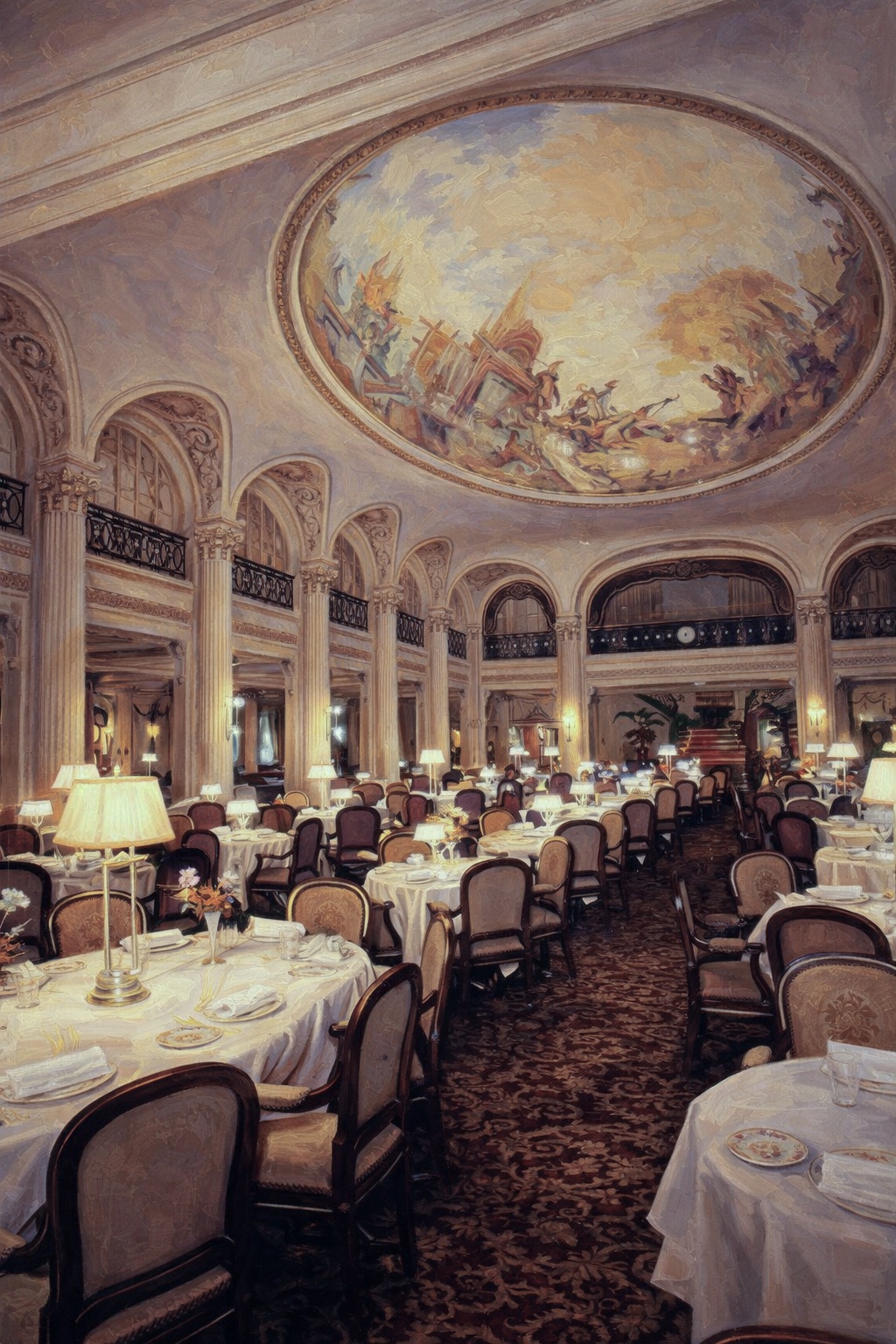
Setting tables, serving meals, clearing service, coordinating with pantries and galleys, and repeating the cycle several times a day.
Public rooms
Maintaining lounges, smoking rooms, writing rooms, corridors, and other passenger spaces.
Emotional labor
Passengers expected courtesy and reassurance even when seasickness, delays, crowding, or emergencies made the work harder.
Class and hierarchy
The service experience depended on where you traveled
First-class service could be elaborate and highly individualized, while tourist, second, or third-class service followed different staffing levels and routines. Crew hierarchy also mattered: stewards answered through supervisory structures that could include head stewards, chief stewards, and pursers depending on the line.
Ship case studies
Ships where service scale becomes visible
Selected sources
Where this interpretation comes from
Continue the series