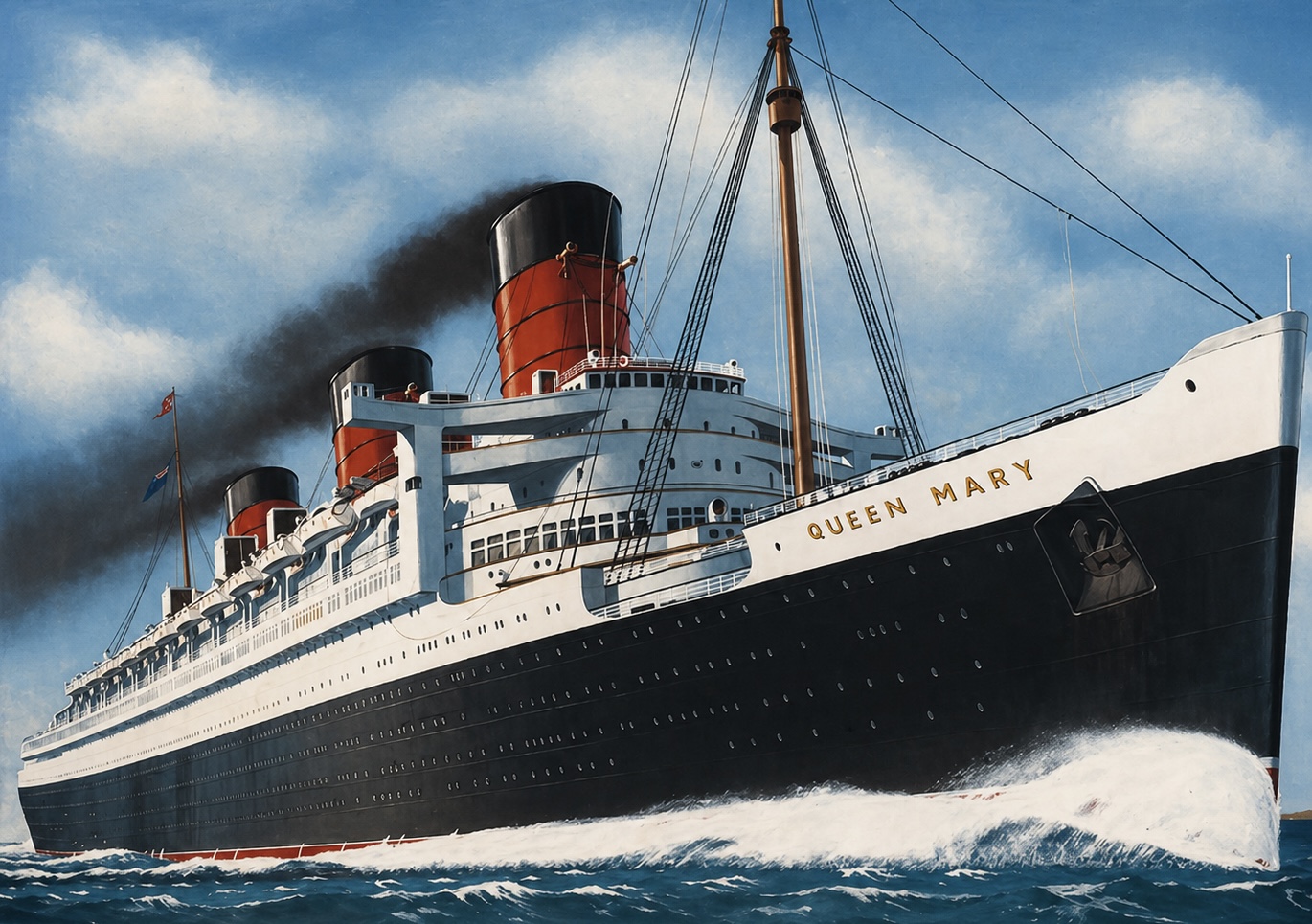
State-Supported and Privately Financed Flagships
Prestige liners were commercial ships, but governments often shaped them through mail contracts, loans, subsidies, defense requirements, or direct ownership. Others depended more heavily on private capital and corporate risk.
Basic answer
Were famous liners really private commercial projects?
Sometimes—but rarely in a completely isolated market. Governments could influence liner development through postal contracts, naval requirements, construction loans, operating subsidy, immigration policy, or national prestige goals. The degree of public involvement varied enormously by country, company, and era.
Different financing environments
What did state support change?
Capital
Loans or subsidies could make unusually large or fast ships financially possible when private returns alone were uncertain.
Mail contracts
Regular government payments rewarded punctual service and tied liner schedules to national communications infrastructure.
Defense value
Some ships were designed with potential wartime use in mind, making speed and structural features matters of public as well as commercial interest.
Private risk
Where public support was limited, companies bore more of the consequences when demand, fuel costs, or prestige projects failed to pay.
Case studies
Different relationships between state and company
Selected sources
Where this comparison comes from
Continue the series