Timeline
Departure to Rescue
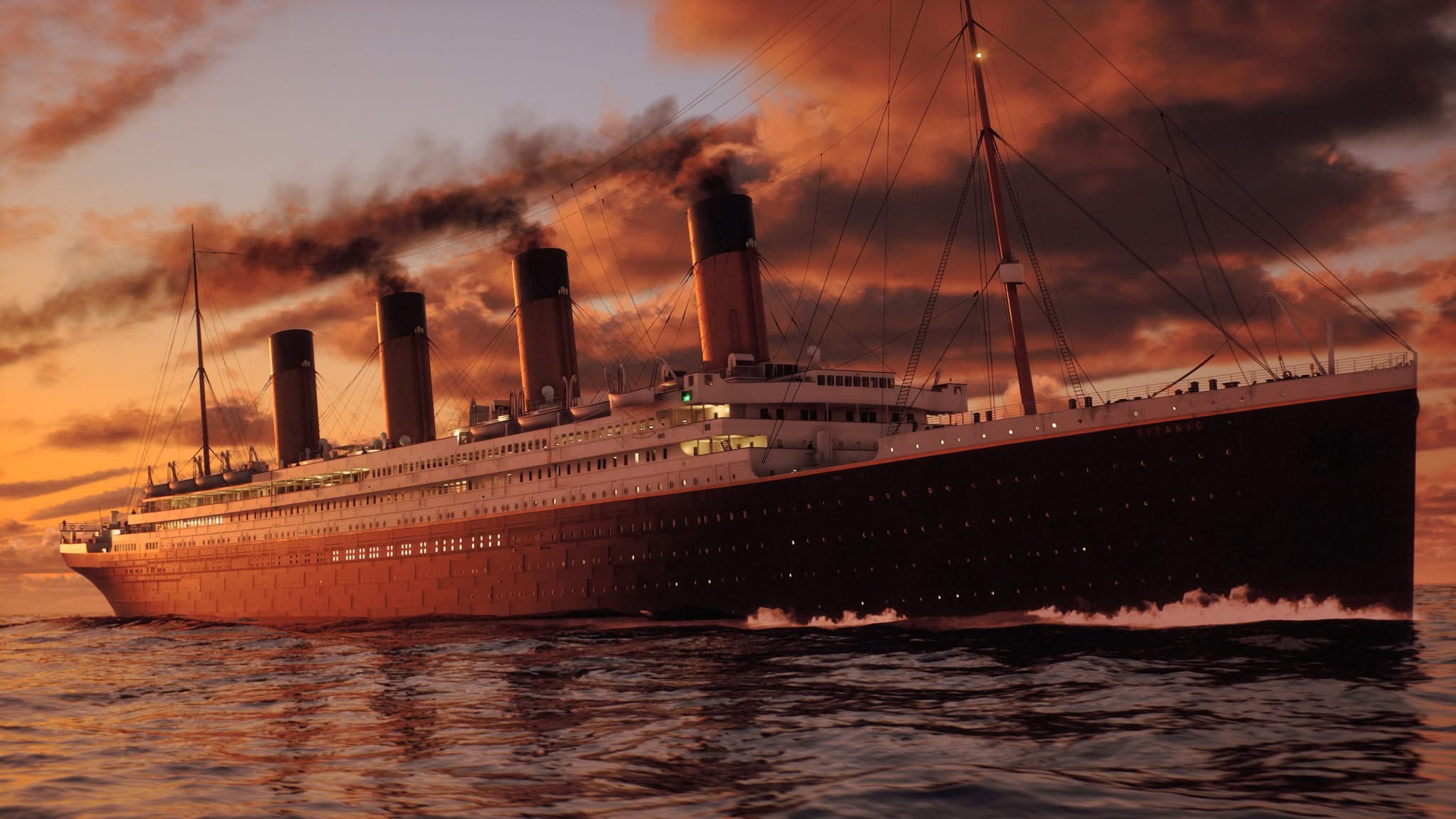
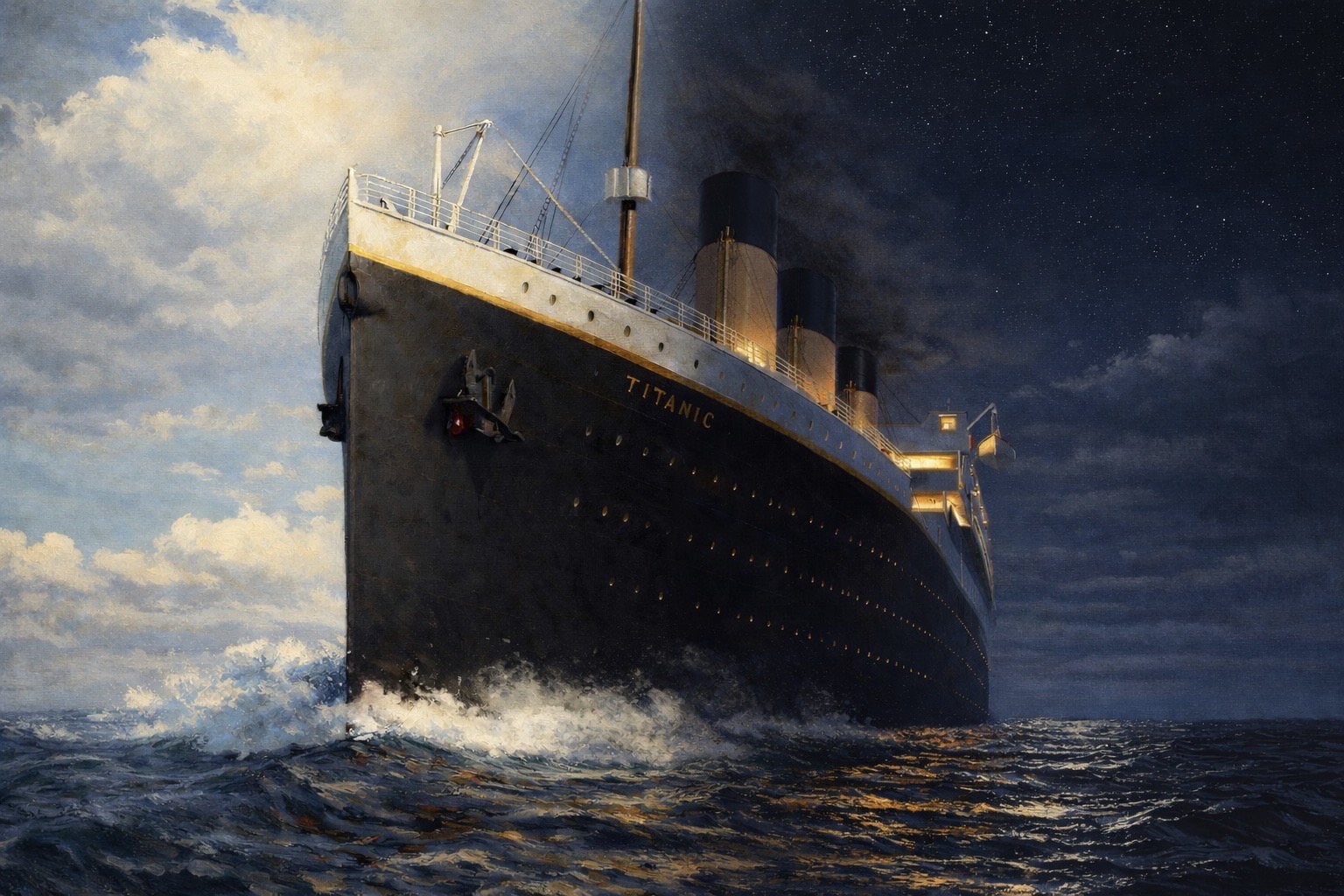
Follow the story from Southampton departure through the collision, final hours, lifeboat launches, and the Carpathia rescue sequence.
Open timelineA focused starting point for Titanic on Ocean Liner Curator: follow the voyage from departure to rescue, explore the artifacts research collection, and read short answers that clarify some of the most common Titanic-related misunderstandings.
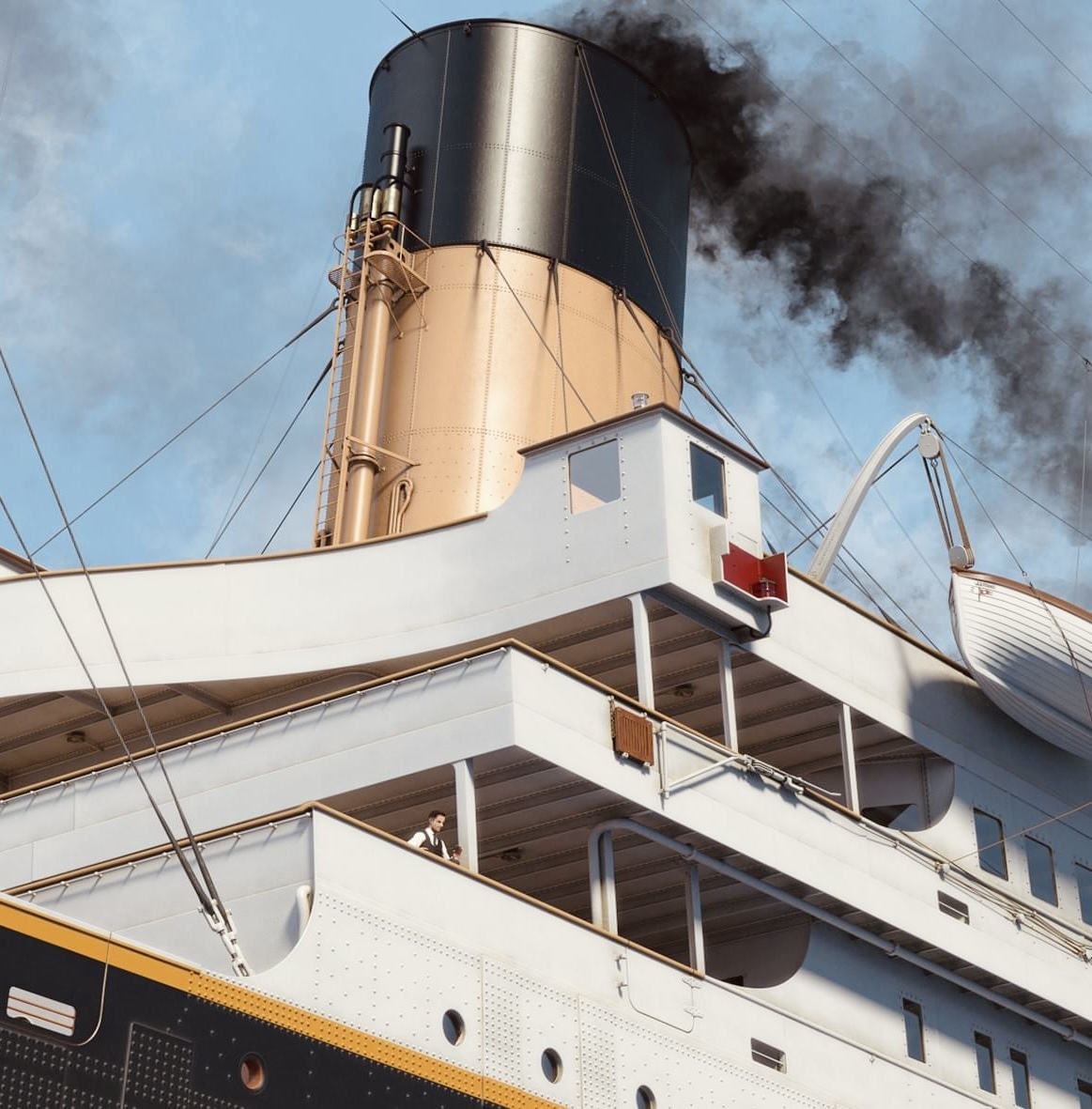
Start with the event itself, move into the surviving objects, and then into White Star Line context, ship relationships, and the interpretive questions that shape public memory.
These are the clearest ways into Titanic on the site: the chronology of the voyage, surviving material culture, the 1997 film’s relationship to history, and the famous public rooms aboard the ship.
Follow the story from Southampton departure through the collision, final hours, lifeboat launches, and the Carpathia rescue sequence.
Open timeline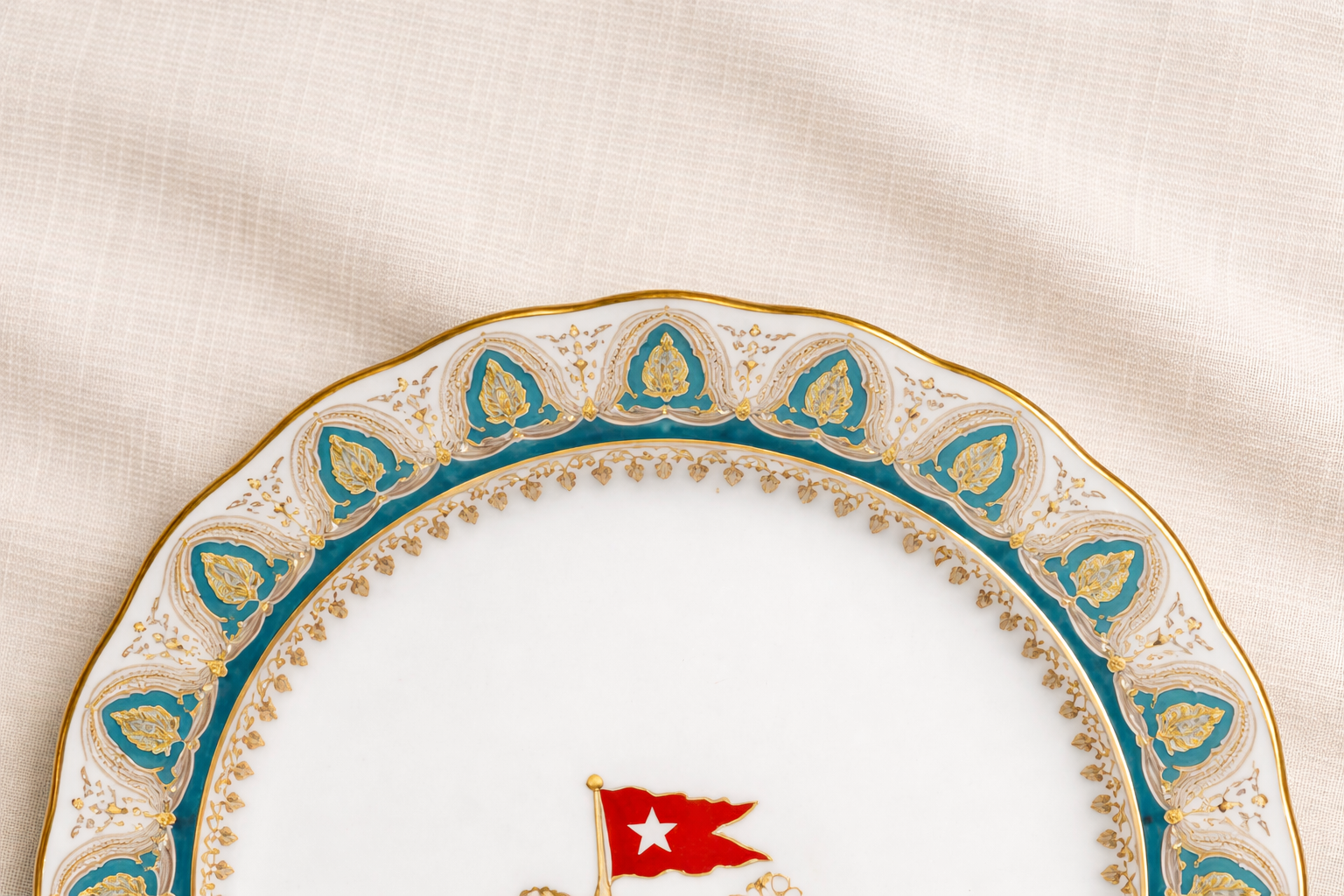
Explore surviving material tied to Titanic with an emphasis on evidence, provenance, attribution limits, and what the documentation actually supports.
Browse collection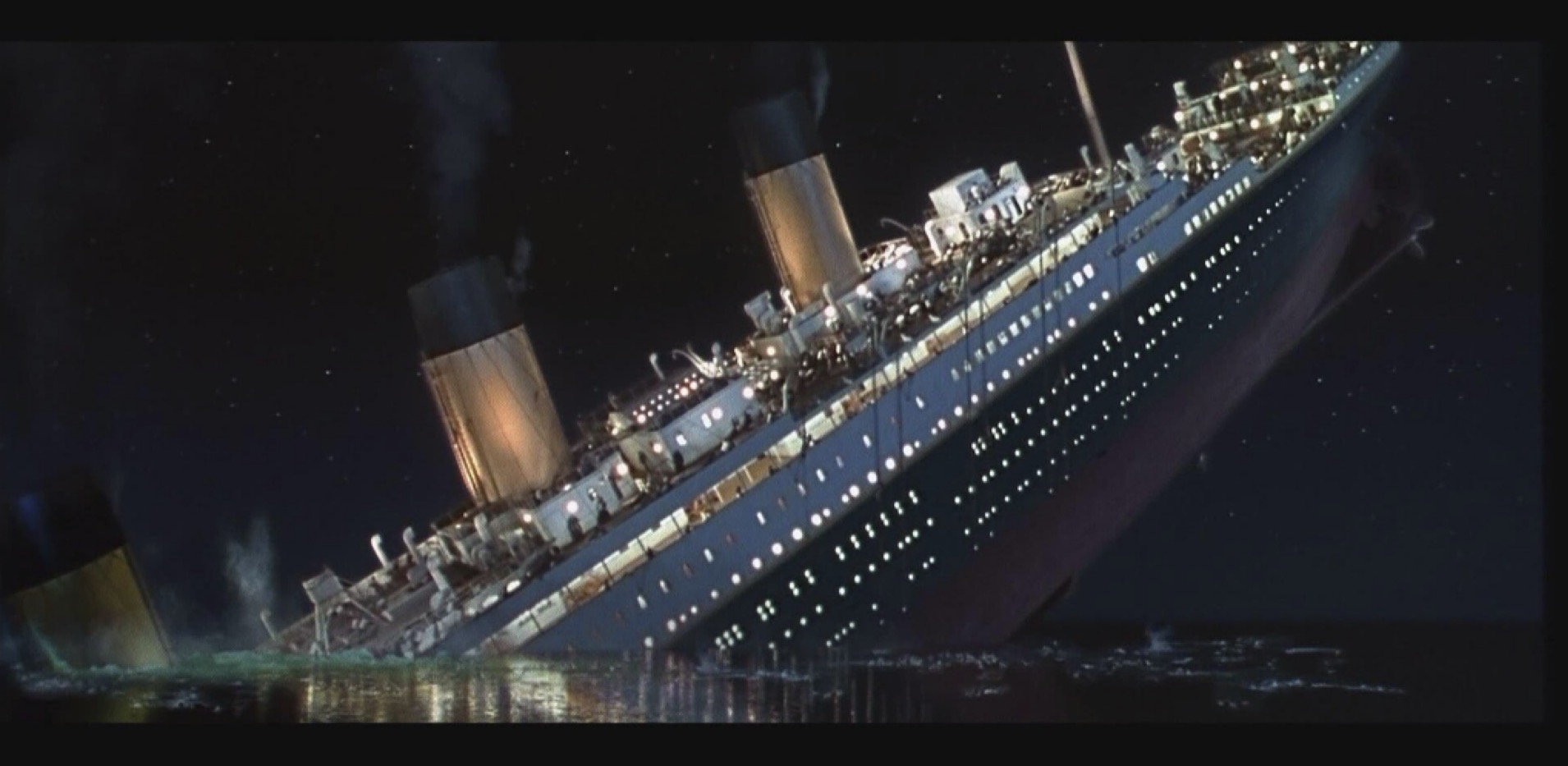
What the 1997 movie gets right, what it changes, and where dramatic storytelling departs from the historical record.
Go to page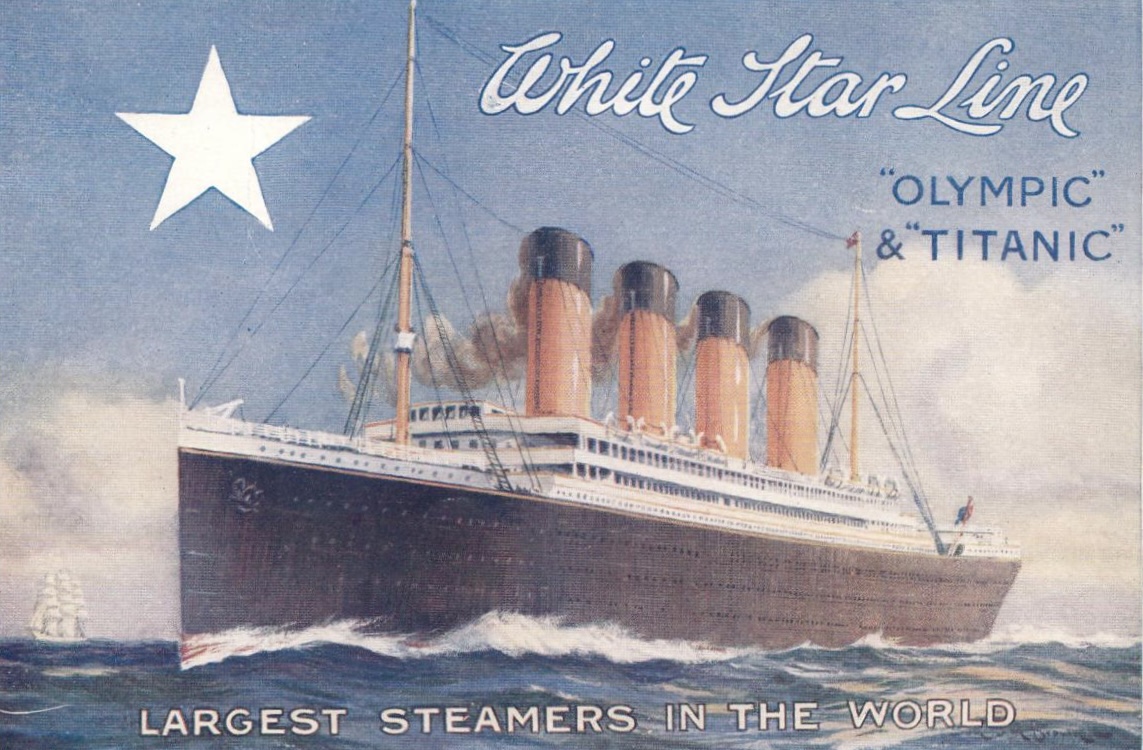
A guide to the interiors that shaped Titanic’s public identity: the spaces most often remembered, reproduced, and used to represent the ship’s luxury, mood, and social world.
Browse collectionTitanic is the best-known White Star ship, but she was part of a broader company story: Olympic-class design, tenders, earlier Atlantic liners, fleet strategy, and public memory.
The White Star Line hub connects Titanic to Olympic, Britannic, Nomadic, the Big Four, company history, and the wider Atlantic liner context.
The Olympic-class story keeps Titanic in relationship with her sisters, the operating lessons from Olympic, and later changes reflected in Britannic.
Titanic is best understood as part of a wider liner network: sister ships, rescue ships, rivals, company peers, and other Atlantic liners that shaped the same maritime world.
Use these ships as a curated pathway outward from Titanic. Start with the most direct connections, then move into rival liners and the broader North Atlantic setting.
Titanic’s elder sister and the ship that carried the Olympic-class design into long commercial service.
Why RMS Olympic matters Open ship guideThe third Olympic-class ship, completed in a changed safety and wartime context after Titanic.
Why HMHS Britannic Matters Open ship guideThe Cunard liner central to Titanic’s rescue story and one of the most important connected ships in the disaster sequence.
Why RMS Carpathia Matters Open ship guideThe surviving Cherbourg tender that helps connect Titanic to passenger transfer, port logistics, and White Star’s wider operating world.
Open ship guideA famous Cunard express liner often compared with Titanic in public memory, disaster history, and Atlantic prestige.
Why RMS Lusitania Matters Open ship guideA speed and reliability symbol that helps place Titanic in the competitive North Atlantic liner world before the First World War.
Why RMS Mauretania Matters Open ship guideOnce the main chronology and evidence questions are in view, these pages deepen the surrounding context: design revisions, public memory, persistent myths, officers, postcards, and third-class travel.
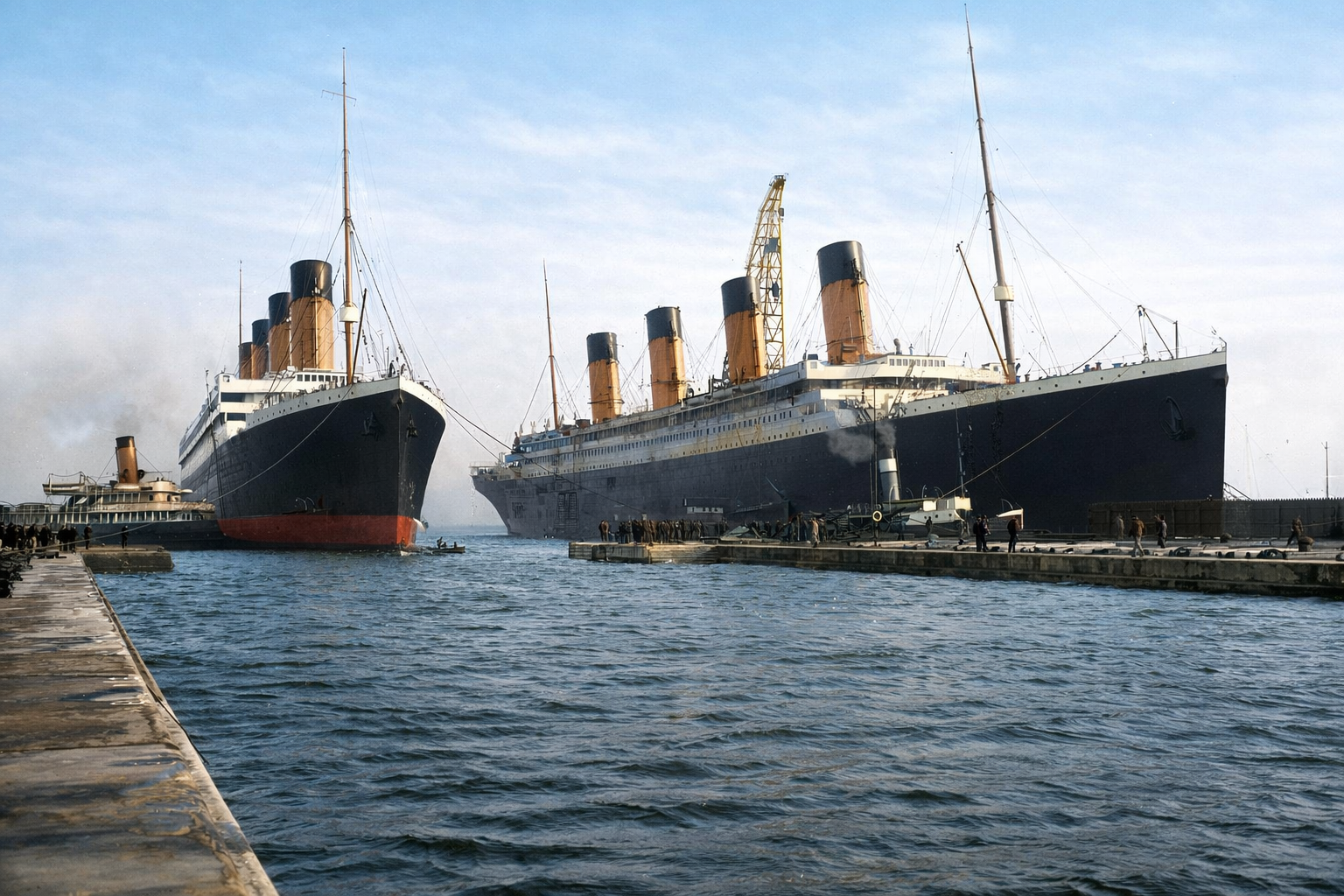
A curator-minded path through the adjustments made between Olympic and Titanic: a first unit tested in service and a second unit refined through observation.
Browse collection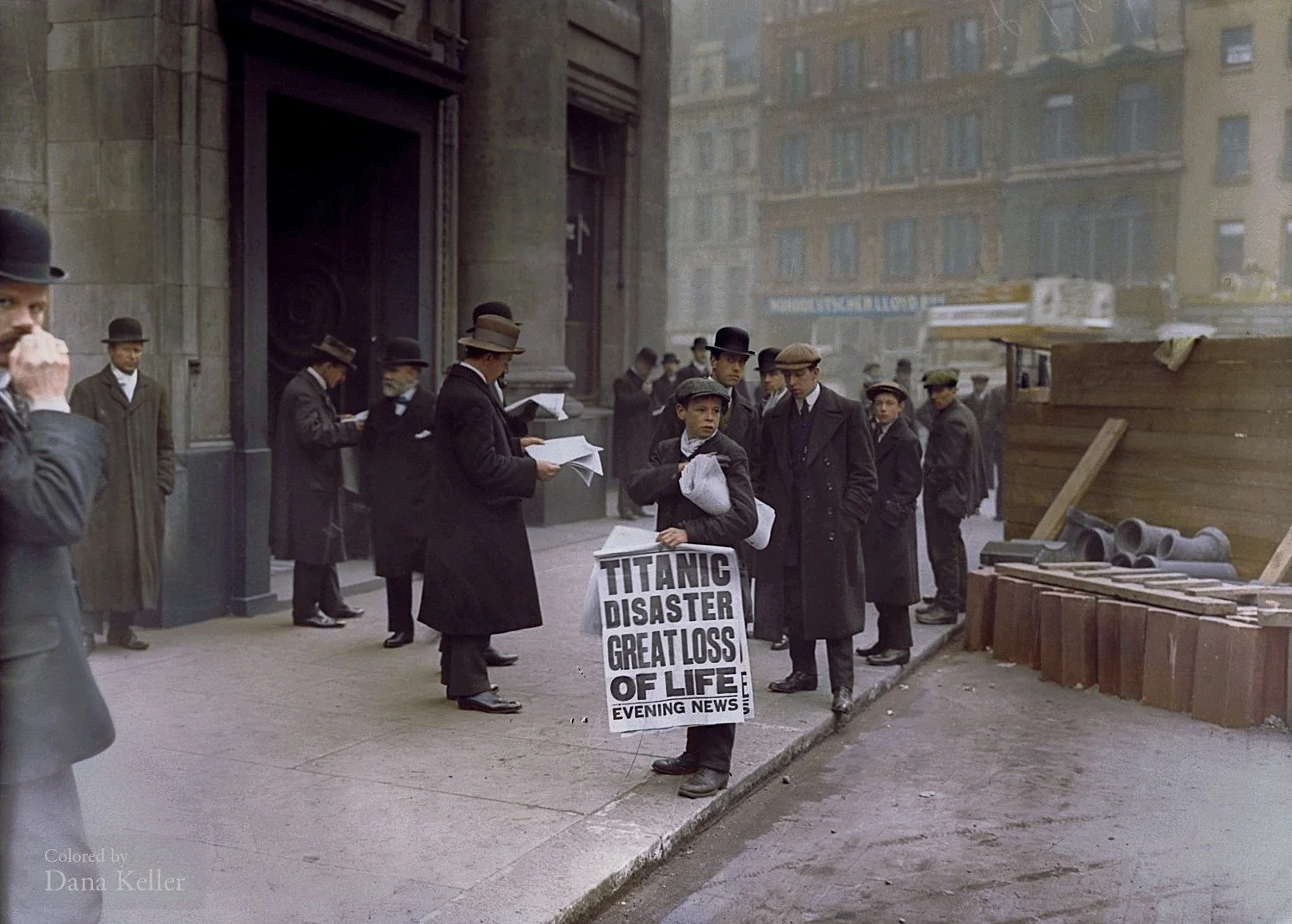
How the disaster was understood in real time: false reassurance, partial lists, delayed confirmation, and the movement from rumor to grief.
Browse collection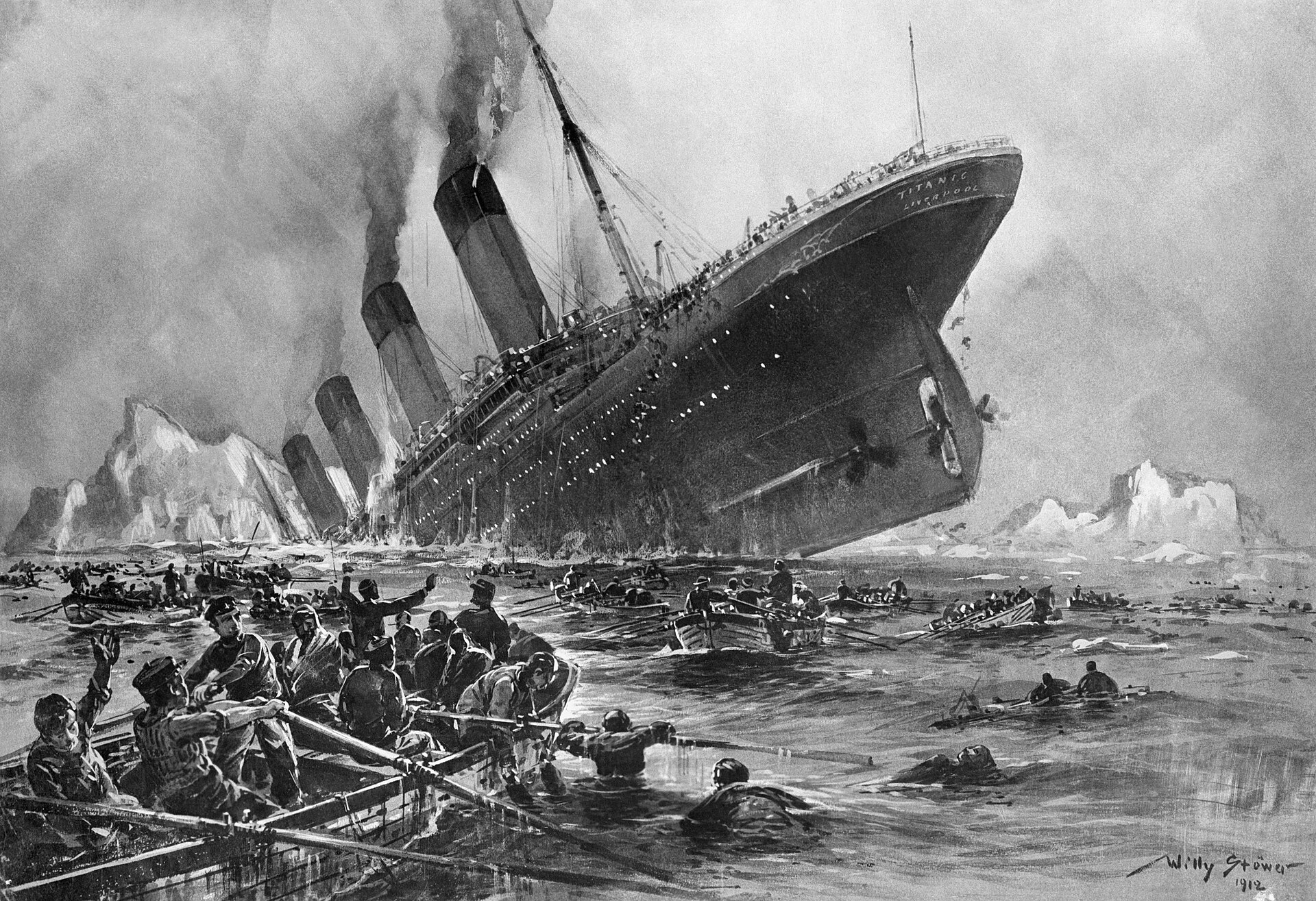
A guide to the stories that keep attaching themselves to Titanic: what the record supports, what is overstated, and why certain claims remain durable.
Browse collection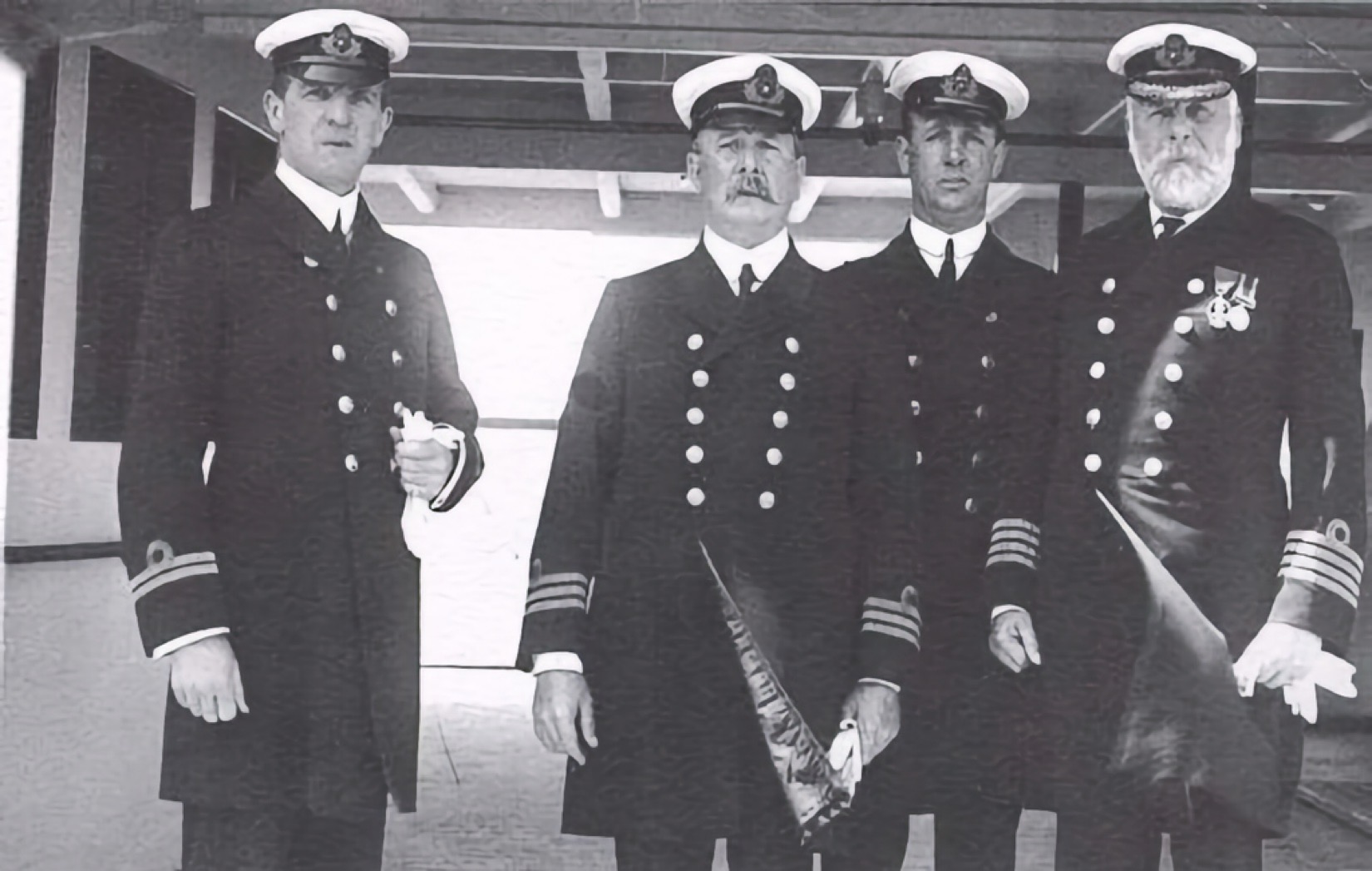
A practical guide to Titanic's deck officers: roles, decisions, survival, public memory, and where the historical record remains complicated.
Browse collection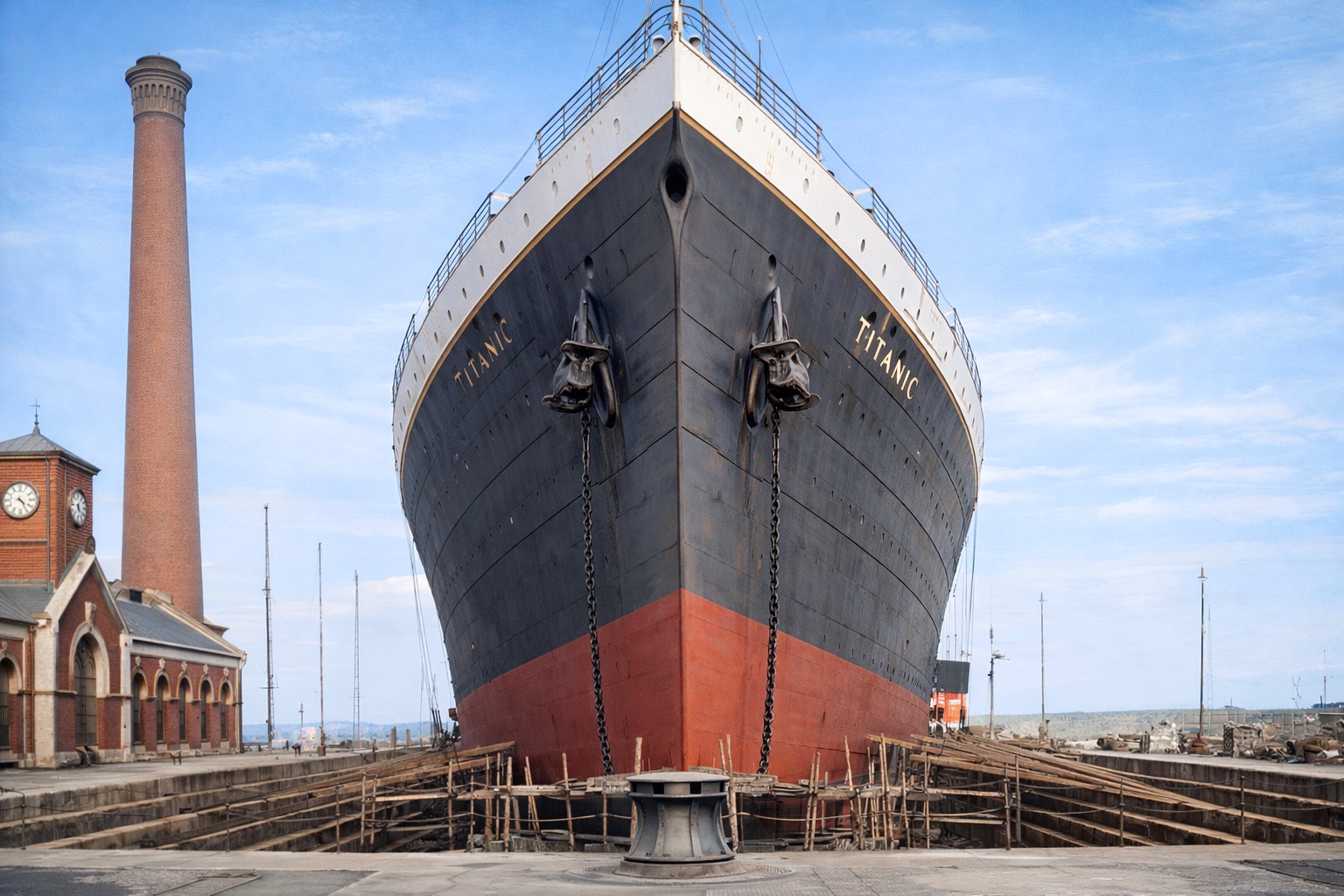
Why one of the most documented maritime disasters in history still requires caution, source discipline, and interpretive restraint.
Read essay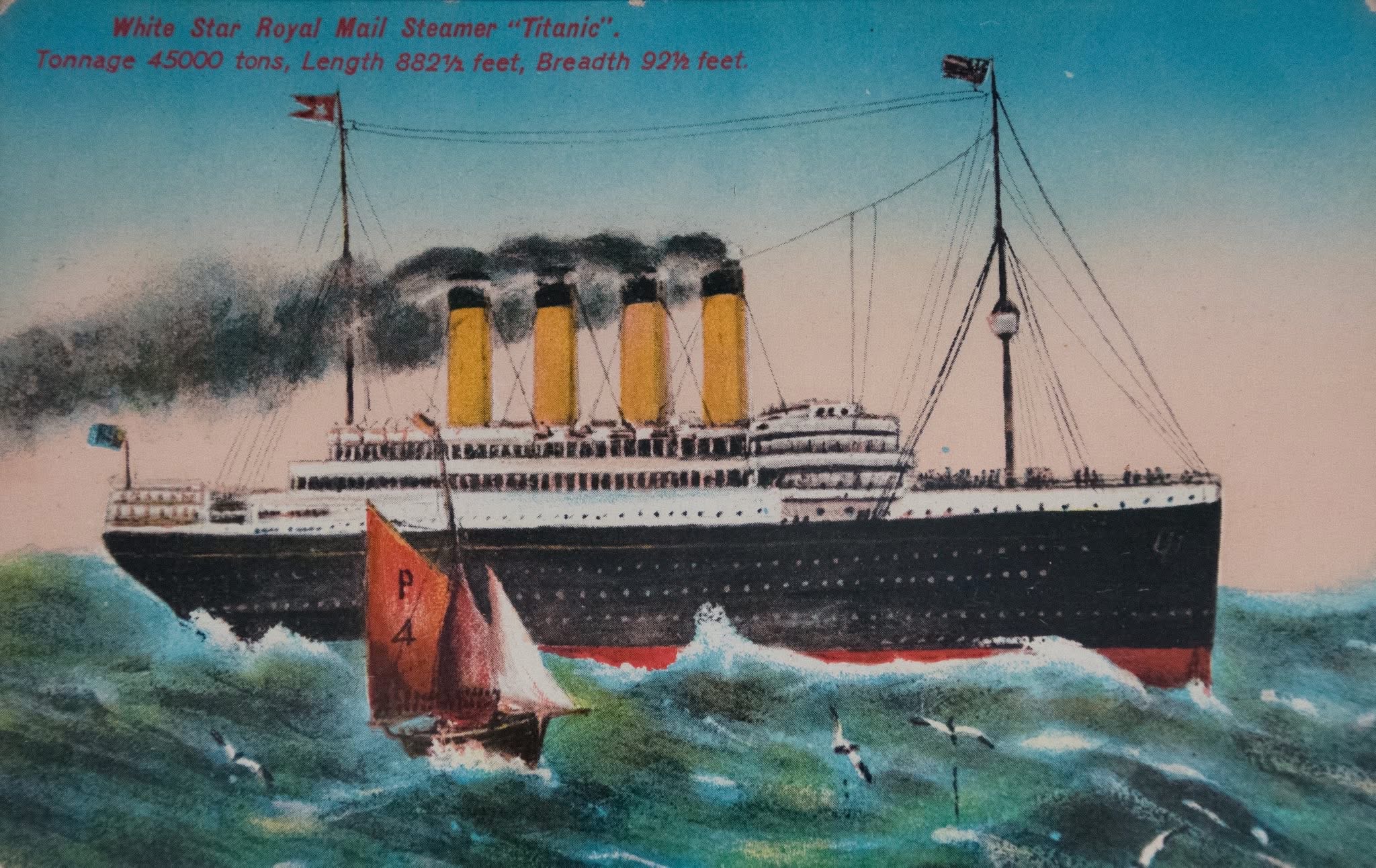
Titanic postcard material ranges from memorial pieces and promotional images to scarcer material that survives mainly through archives and collecting references.
Browse postcards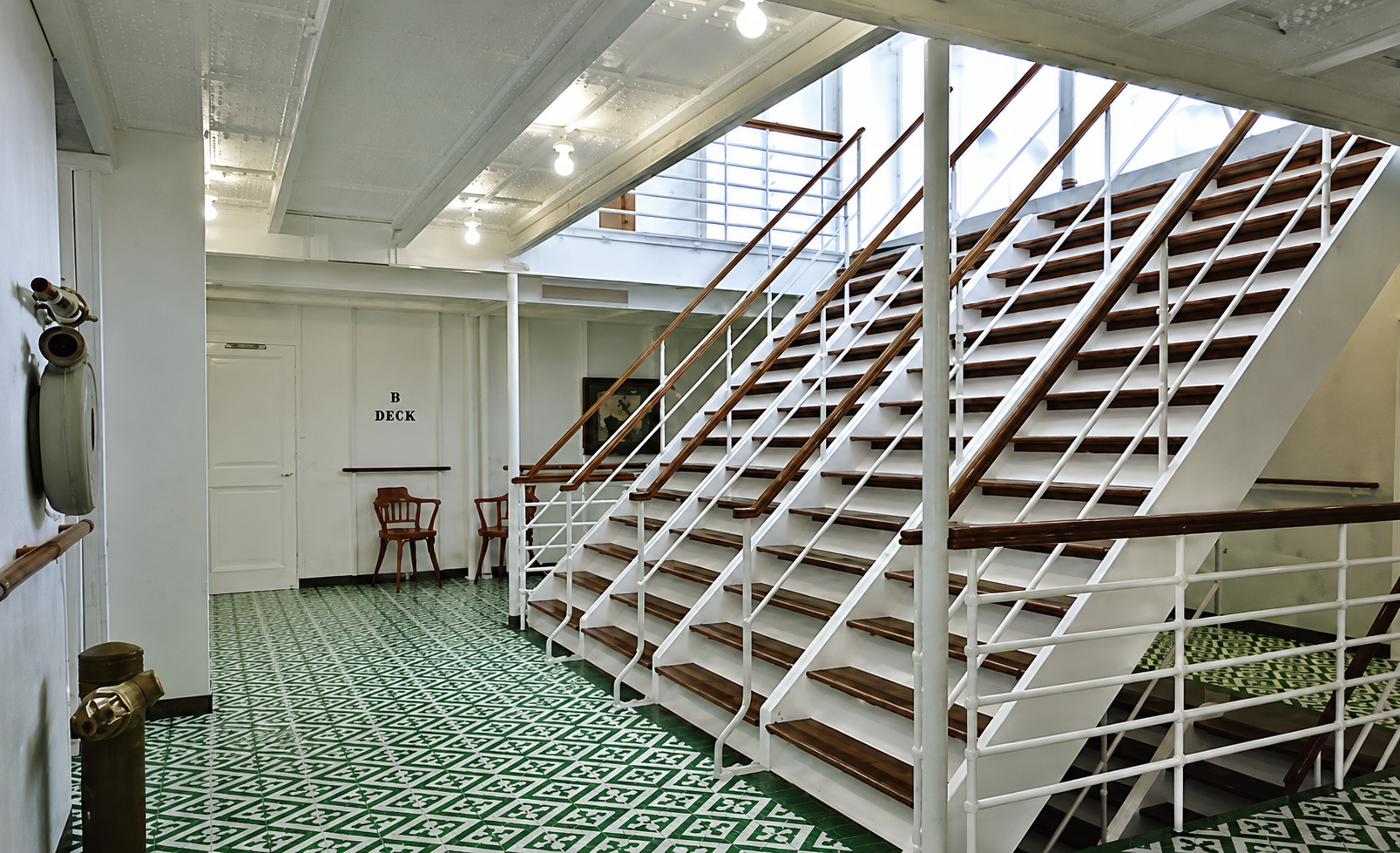
Third class was simpler than first class, but it was not an afterthought. For many emigrant passengers, it offered clean accommodation, organized meals, and a practical Atlantic route.
Read more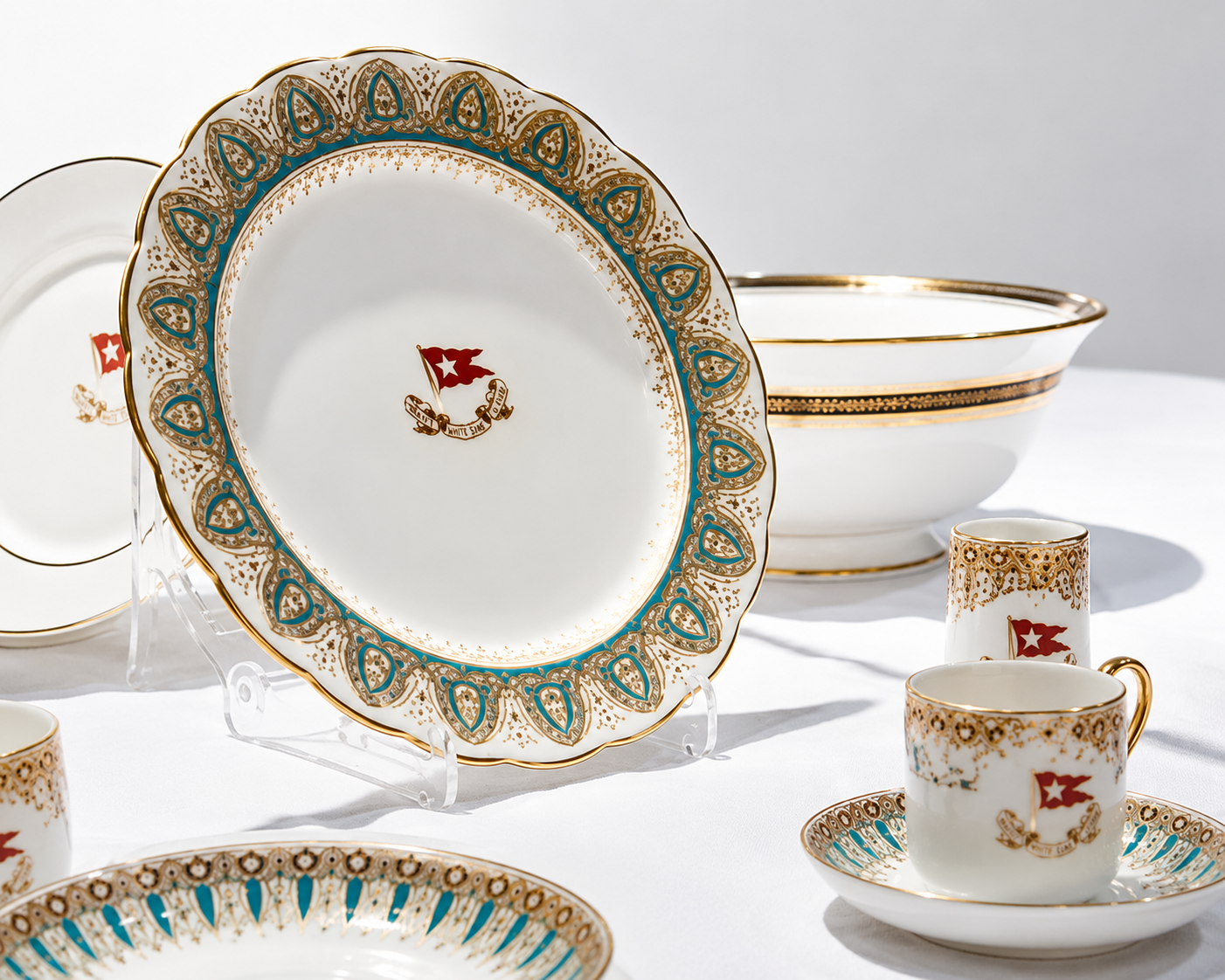
White Star Line tableware is one of the most intimate surviving records of shipboard life: not machinery, not architecture, but the objects passengers touched during breakfast, dinner, coffee, and private service.
Browse collectionThese shorter pages are designed for quick entry, but each one points back toward evidence, context, and the larger White Star Line story.
Titanic belongs to a larger network of ships, companies, and historical questions. These adjacent pages help keep that wider frame intact.
The strongest use of this page is simple: begin with one Titanic path, then follow the surrounding context outward into ships, company history, and material culture.
Whether you came here for the disaster timeline, the artifact questions, or the White Star context, this page is meant to keep those subjects connected rather than fragmented.