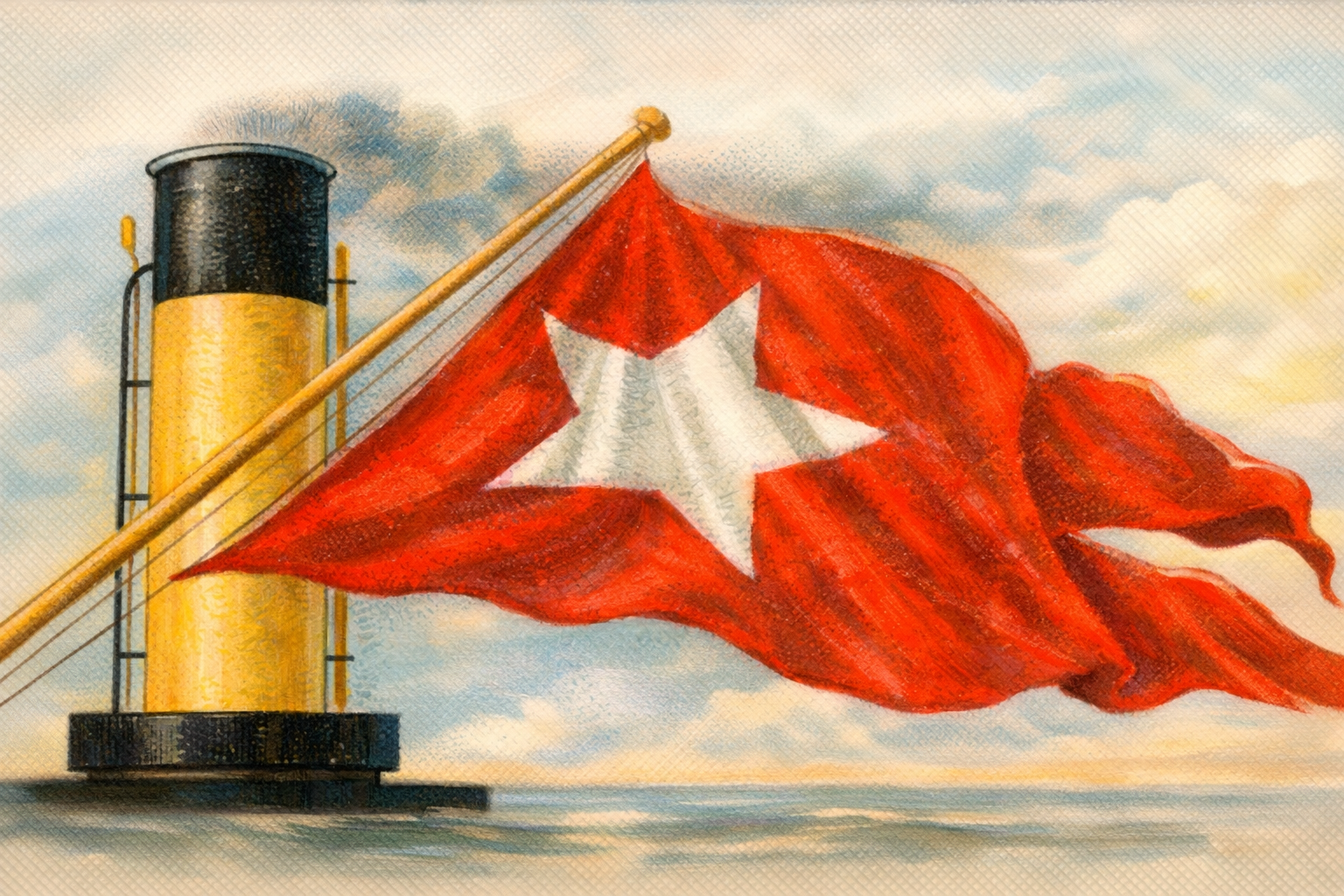
Company History
White Star Line History
Follow the company beyond a single famous ship: fleet development, public image, corporate context, and the broader Atlantic passenger world.
Read historyA curated starting point for White Star Line on Ocean Liner Curator: move from Titanic into the company’s wider Atlantic story, including early iron steamers, Olympic-class liners, tenders, Big Four capacity ships, interwar motor liners, and surviving material culture.
Built to keep company history, ship design, service context, and public memory connected—so White Star Line is not reduced to Titanic alone.

Start with the company, move through the fleet, and then connect Titanic, Olympic, Britannic, tenders, artifacts, and public memory.
These are the clearest ways into White Star Line on the site: the company history, Titanic’s topic hub, the Olympic-class ships, and the wider ship archive.
Follow the company beyond a single famous ship: fleet development, public image, corporate context, and the broader Atlantic passenger world.
Read history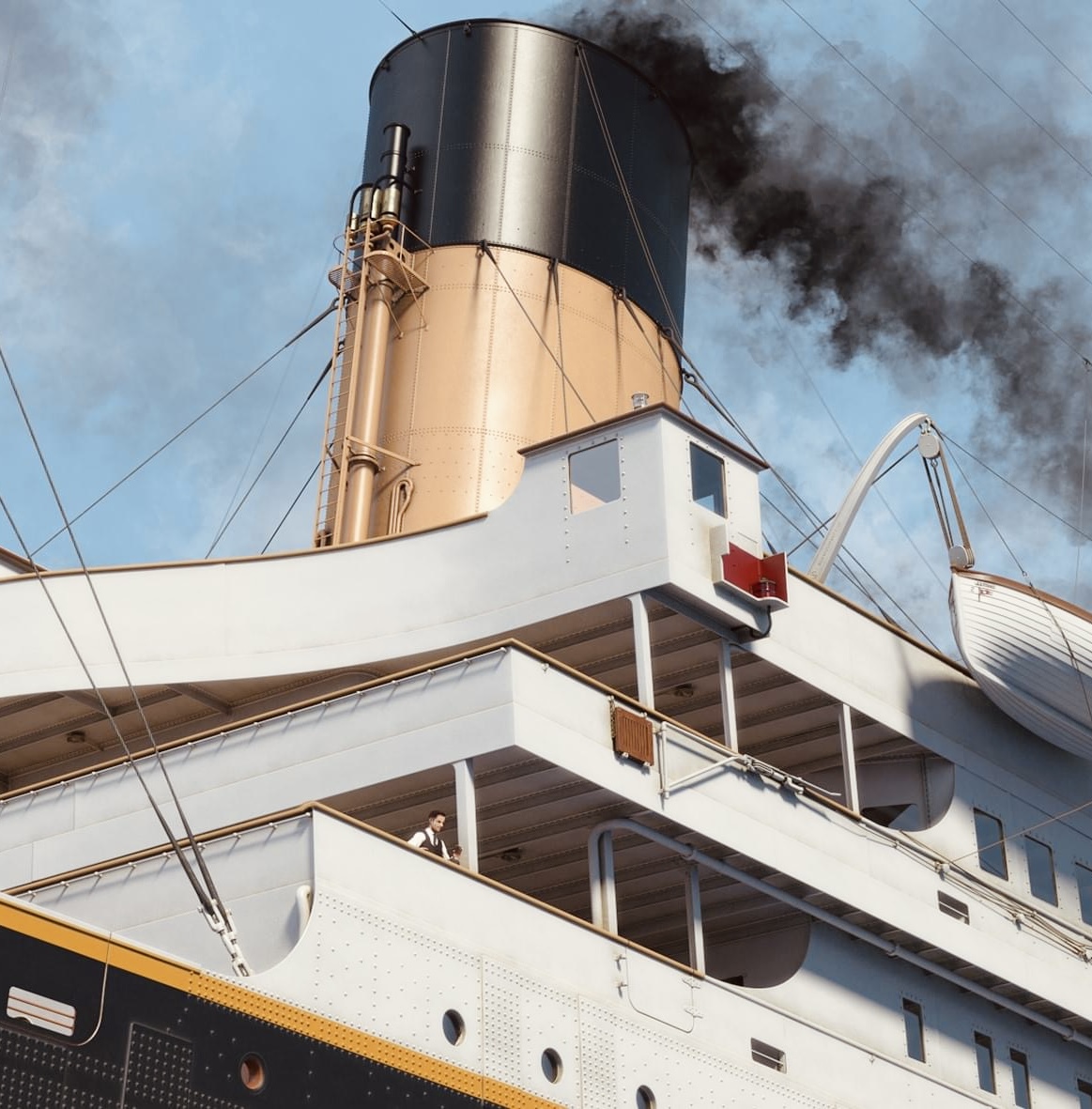
Use Titanic as one doorway into White Star Line: chronology, artifacts, public rooms, short answers, and connected ships from the same world.
Open Titanic hub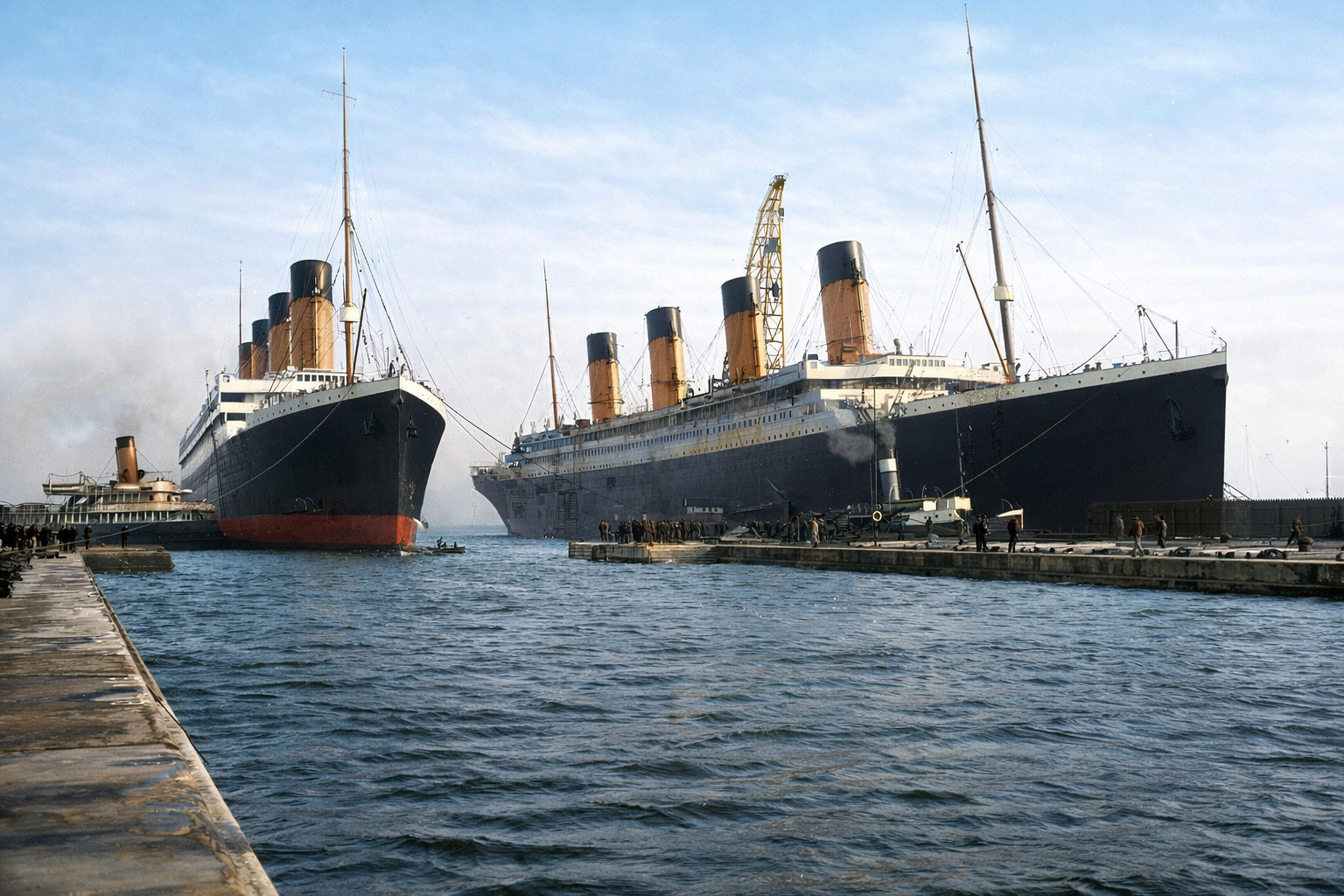
A pathway through the adjustments made between Olympic and Titanic: service experience, selective revision, and commercial presentation.
Browse collection
Move through individual ship guides from early Atlantic steamers to Olympic-class liners, tenders, and final company-era motor ships.
Browse archiveWhite Star Line makes more sense when its ships are seen in groups: early Atlantic development, capacity-first strategy, Olympic-class prestige, tenders, and interwar continuity.
Use these ships as a curated route through the company’s wider fleet, from foundational Atlantic liners to the ships most closely tied to Titanic’s public memory.
The lead Olympic-class ship and the longest-serving member of the trio, central to understanding Titanic as a refined sister rather than an isolated design.
Why Olympic matters Open ship guideThe most famous White Star liner, best approached through chronology, company context, material evidence, and its relationship to other ships.
Open ship guideThe third Olympic-class ship, completed in a changed safety and wartime context after Titanic.
Why HMHS Britannic Matters Open ship guideThe surviving Cherbourg tender that connects White Star Line to passenger transfer, port logistics, and Titanic’s operational world.
Open ship guideOne of White Star’s Big Four capacity-first liners, useful for understanding the company’s emphasis on scale, comfort, and steady Atlantic service.
Open ship guideA late White Star motor liner that points toward the company’s final major new ships before Cunard-White Star consolidation.
Why MV Britannic Matters Open ship guideTitanic dominates public memory, but White Star Line was a larger company story: ship classes, route strategy, fleet identity, passenger experience, and later corporate change.
White Star Line should not be treated as interchangeable with Titanic. Company history gives the disaster, the ship, and surviving material a stronger interpretive frame.
White Star’s fleet is best read through relationships: sister ships, running mates, tenders, classes, service routes, and later renamed or reassigned identities.
Titanic is a powerful entry point, but the White Star story opens outward into Olympic, Britannic, tenders, interiors, artifacts, and broader Atlantic history.
These pages help connect White Star Line to design revision, artifact interpretation, public memory, company history, and the wider ocean liner archive.
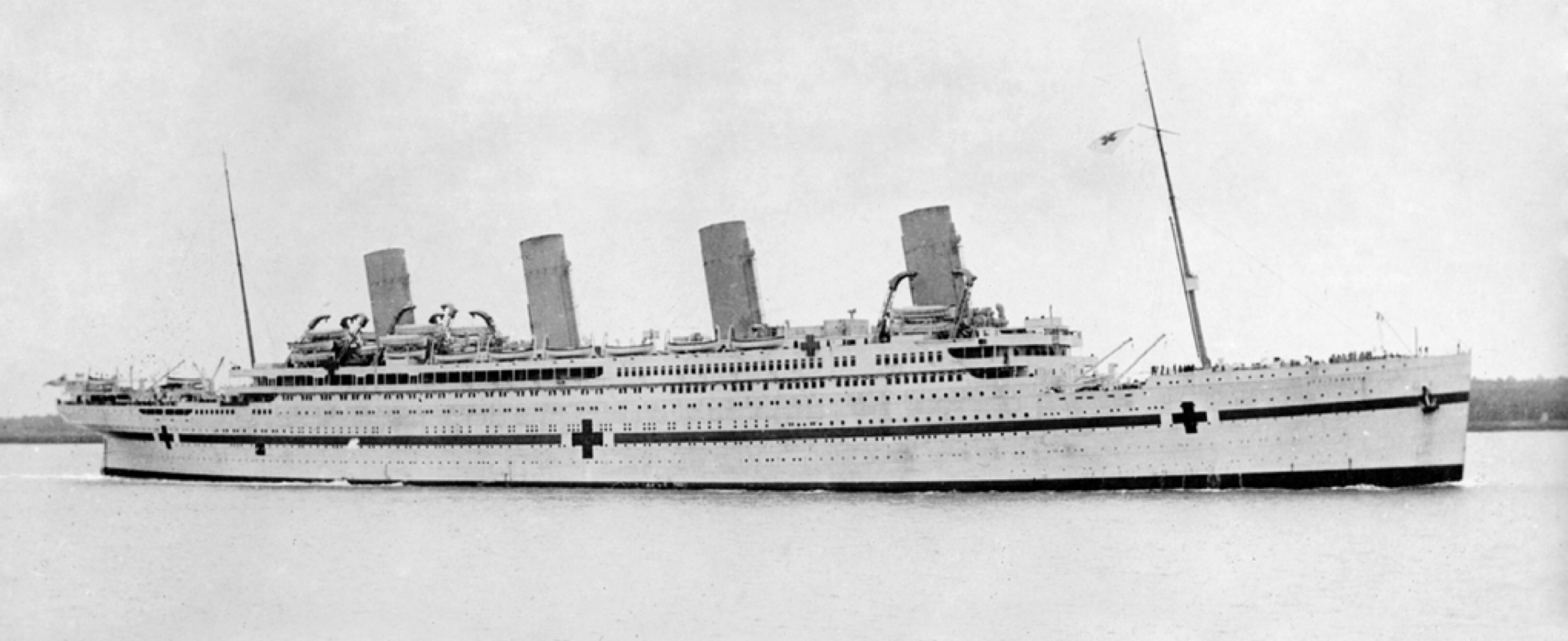
Britannic’s importance extends beyond disaster memory into wartime conversion, hospital ship service, and the wider Olympic-class story.
Read essay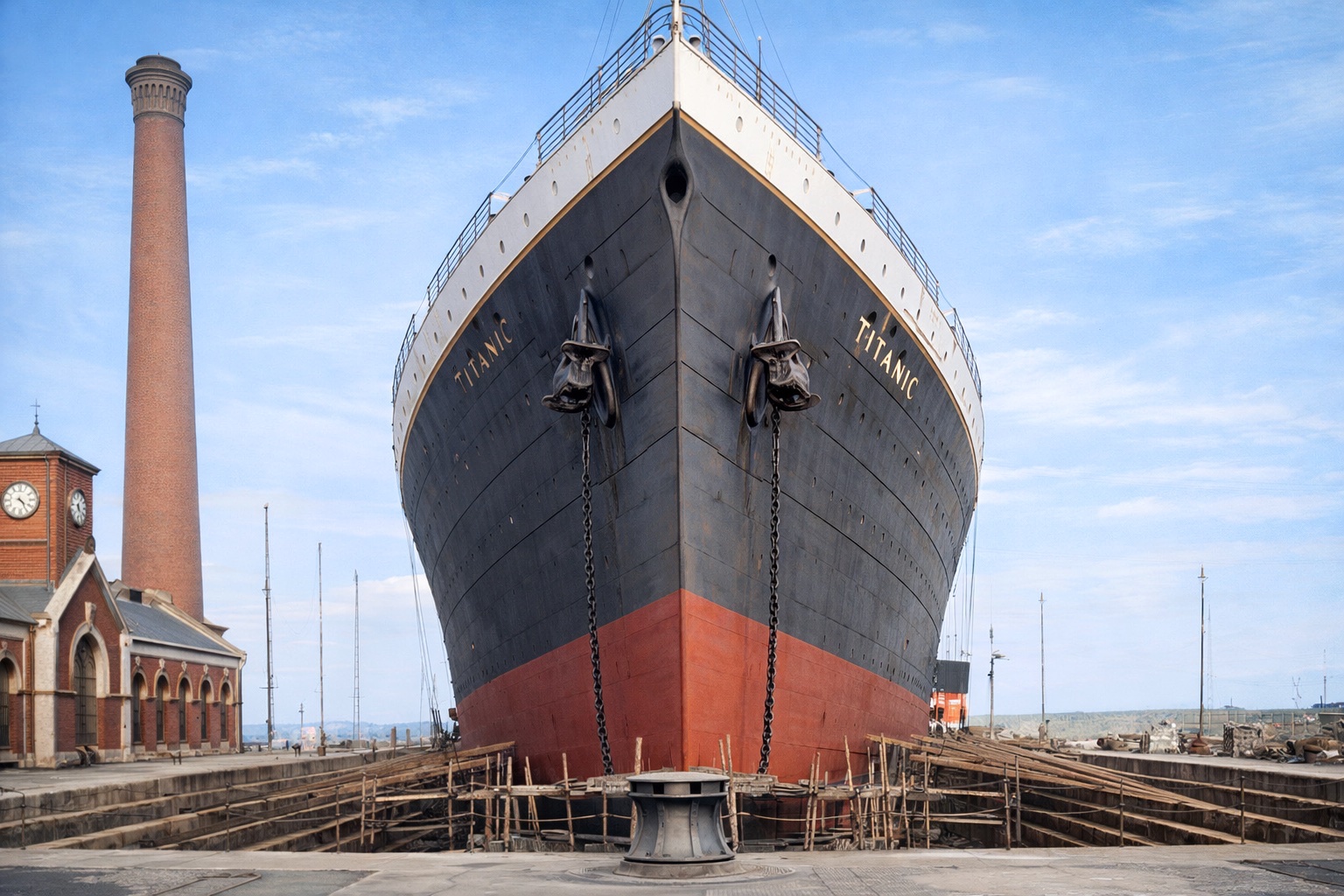
Why even a heavily documented maritime disaster requires caution, source discipline, and interpretive restraint.
Read essay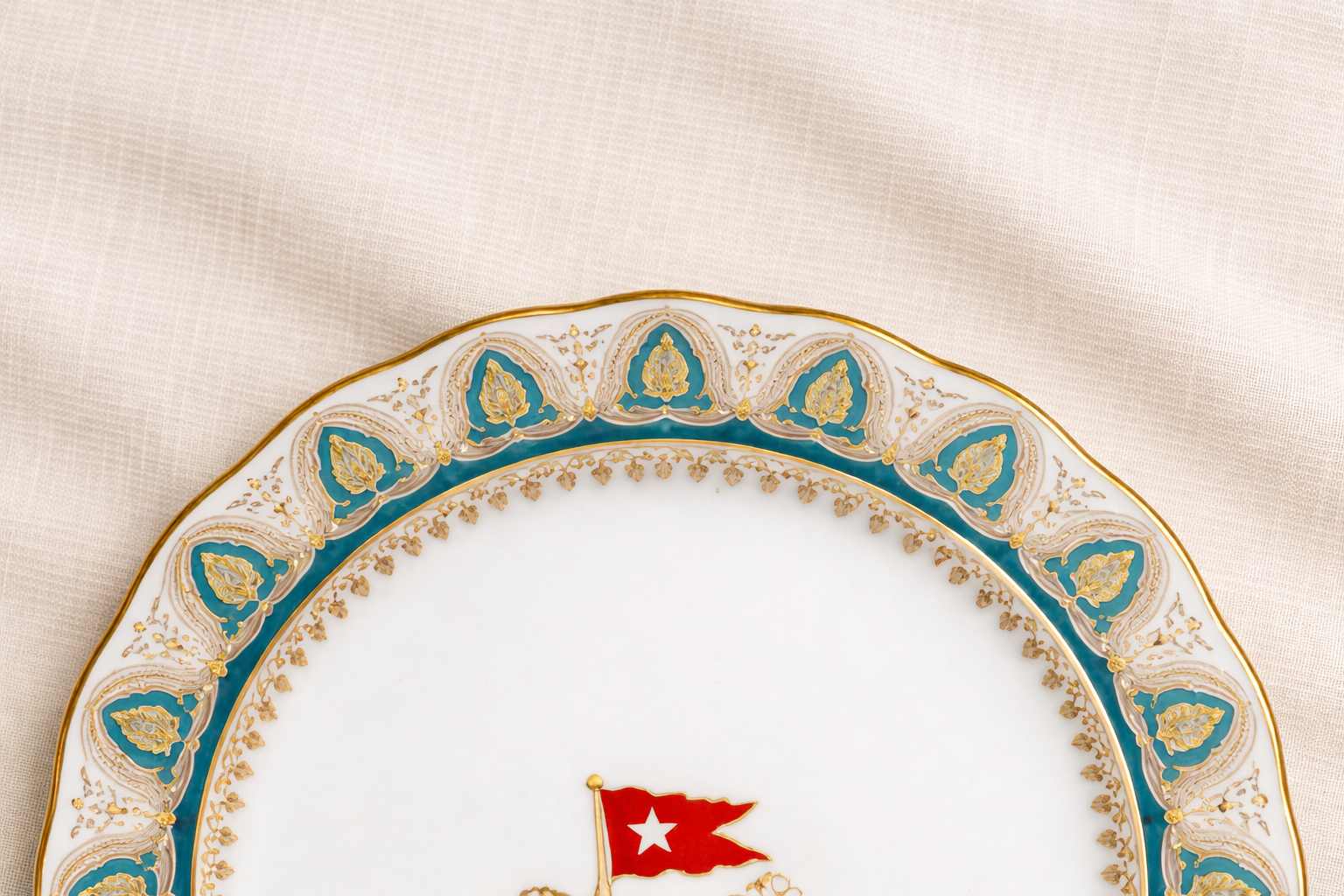
A careful look at surviving material, attribution limits, provenance problems, and what documentation can actually support.
Browse collection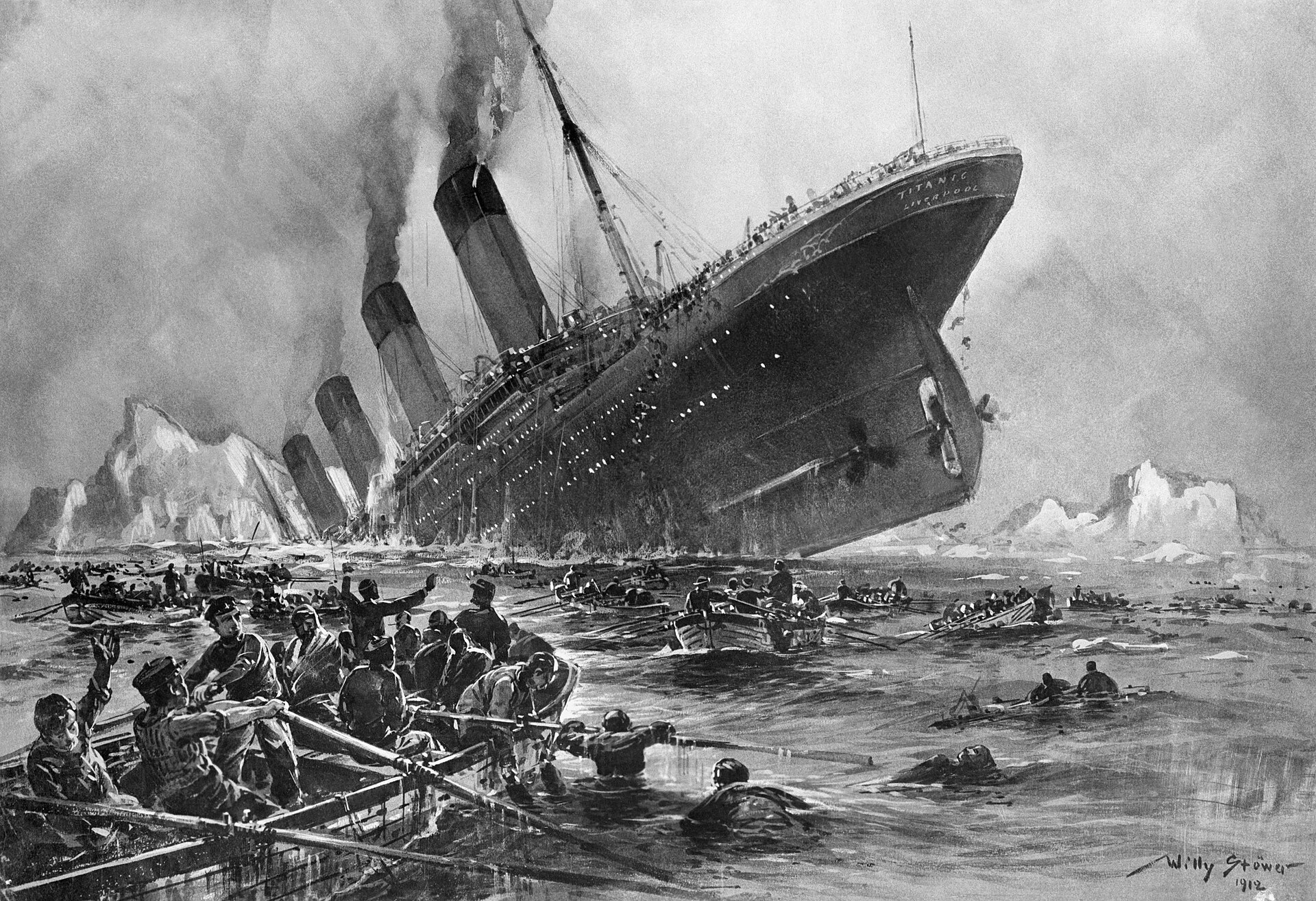
A guide to durable Titanic claims, what the record supports, and why certain stories remain attached to the ship.
Browse collection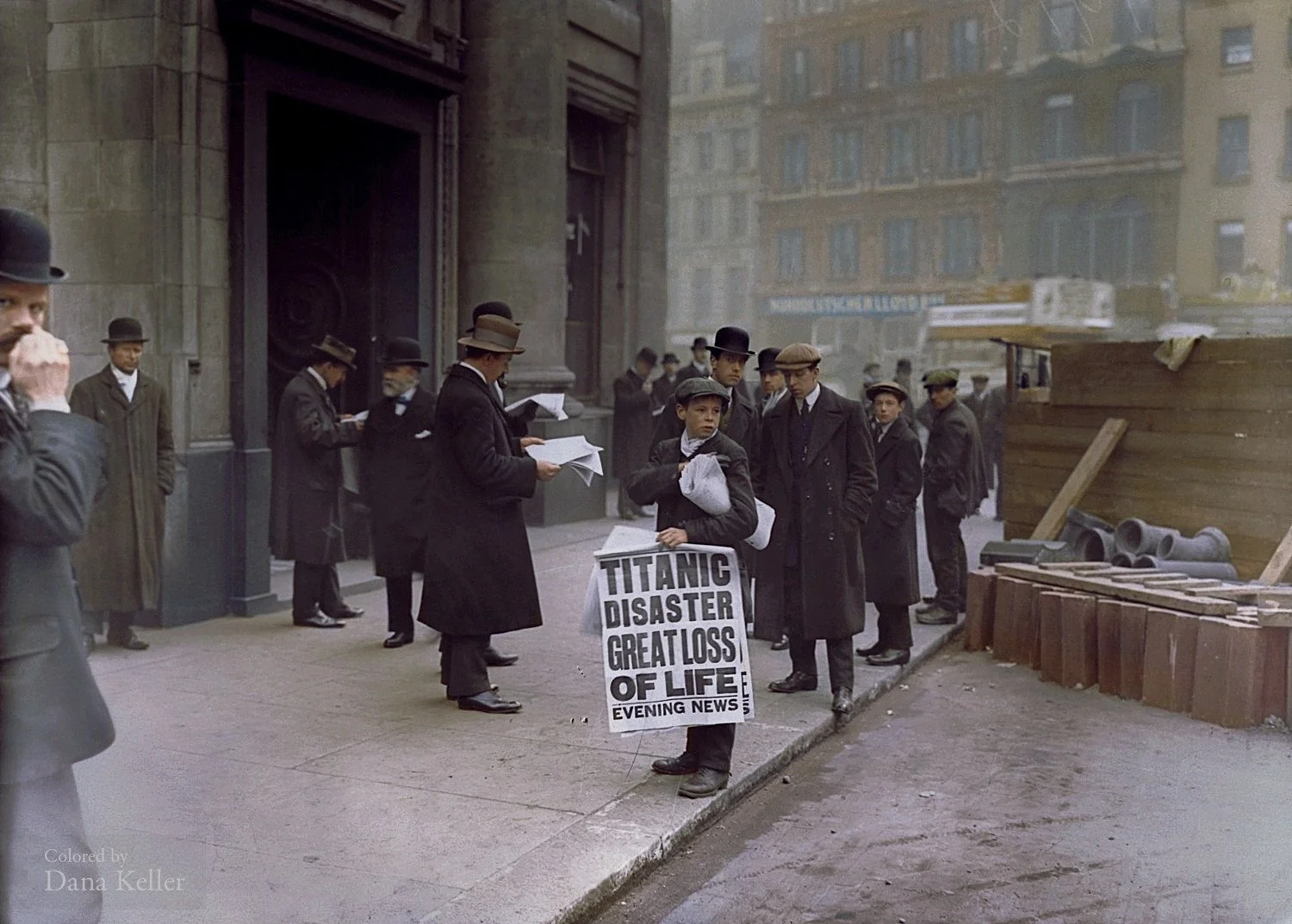
How Titanic was understood in real time: false reassurance, partial lists, delayed confirmation, and public grief.
Browse collection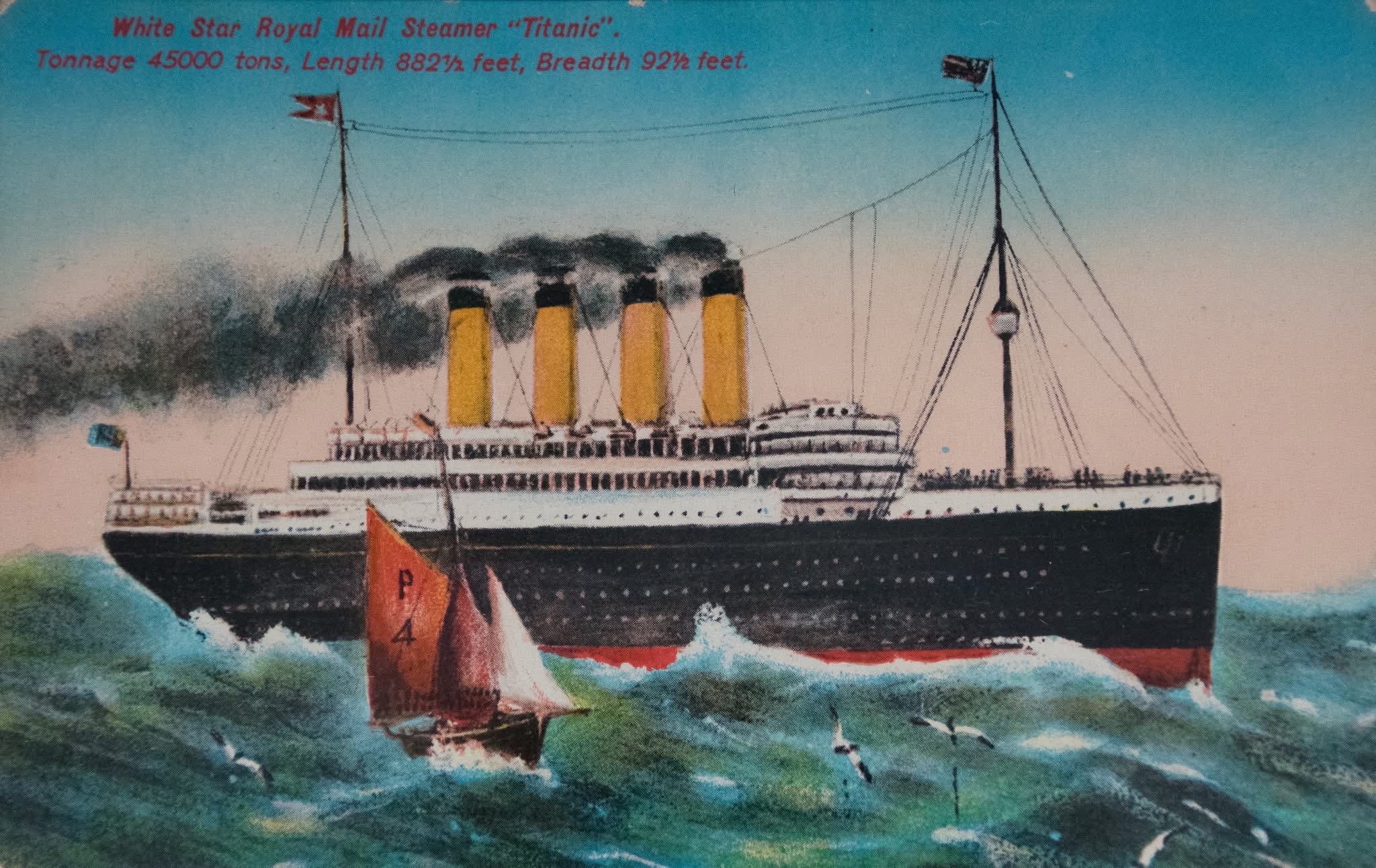
Titanic postcard material ranges from memorial pieces and promotional images to scarcer archive and collecting references.
Browse postcards
Use the Ship Archive’s shipping-line filter to move through White Star ships by name, year, and fleet context.
Open archiveThese shorter pages help separate company history, Titanic memory, artifact claims, and broader ocean liner context.
White Star Line belongs to a larger network of companies, routes, rival fleets, and long-distance passenger travel.
Begin with Titanic if that is what brought you here, then move outward into sister ships, company history, ship classes, and the larger North Atlantic liner world.
This page is meant to keep Titanic connected to the company, the fleet, the objects, and the evidence—without losing the wider ocean liner story.