Company History
Cunard in the Atlantic Story
Follow Cunard from early scheduled mail steamers into the age of express liners, wartime transport, national prestige, and postwar liner memory.
Read company contextA curated starting point for Cunard Line on Ocean Liner Curator: move from early mail steamers into express liners, Titanic rescue context, wartime service, the great Cunard Queens, QE2, and the long public memory of the North Atlantic liner.
Built to keep company history, technical ambition, rescue stories, wartime service, and public memory connected—so Cunard is understood as a long Atlantic system rather than a list of famous names.
These are the clearest ways into Cunard Line on the site: the company’s broader history, the Queen Mary hub, Titanic rescue context through Carpathia, and the wider ship archive.
Follow Cunard from early scheduled mail steamers into the age of express liners, wartime transport, national prestige, and postwar liner memory.
Read company context
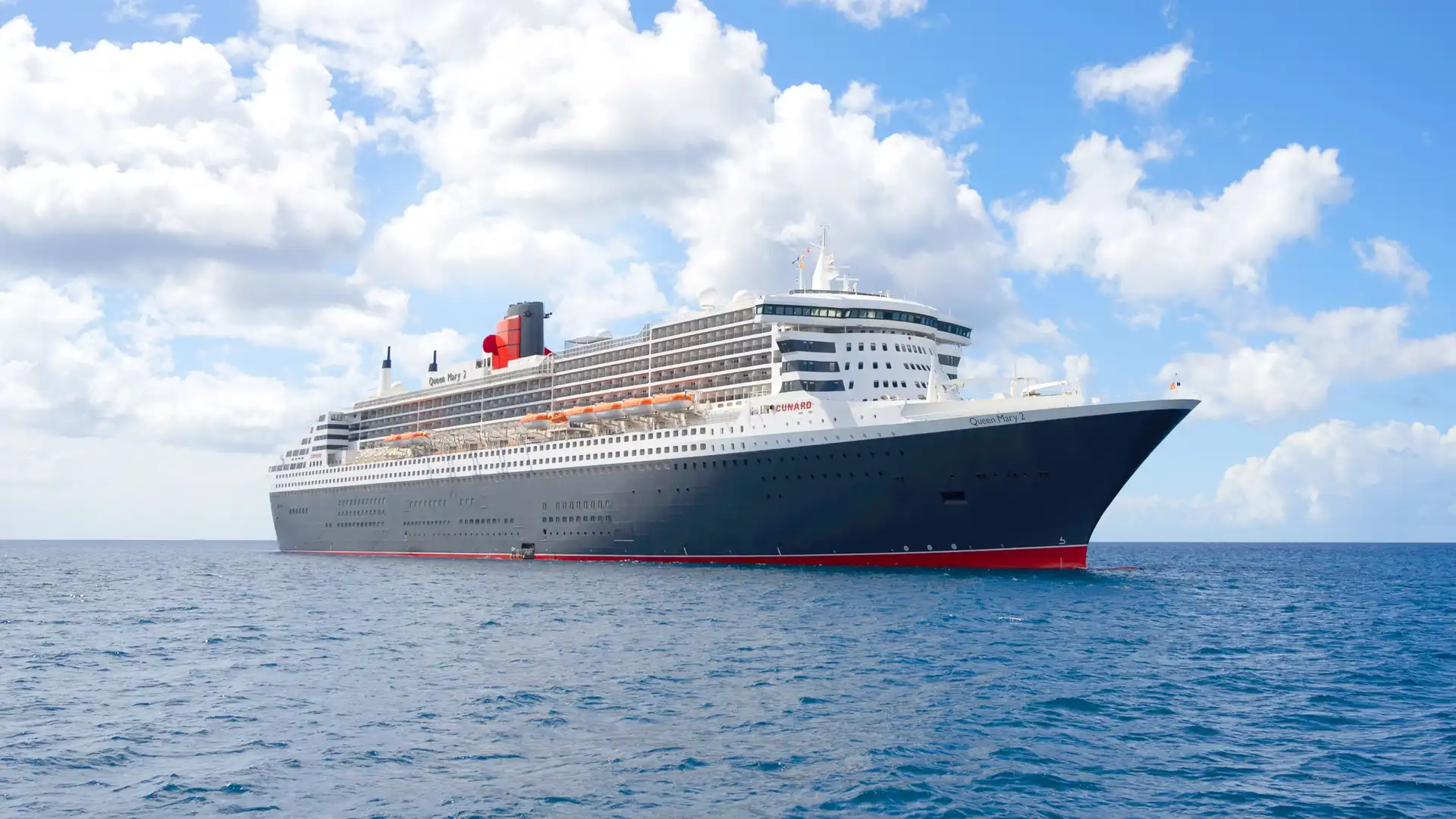
Use Queen Mary as a doorway into Cunard’s mature Atlantic identity: speed, national prestige, wartime service, preservation, and public memory.
Open Queen Mary hub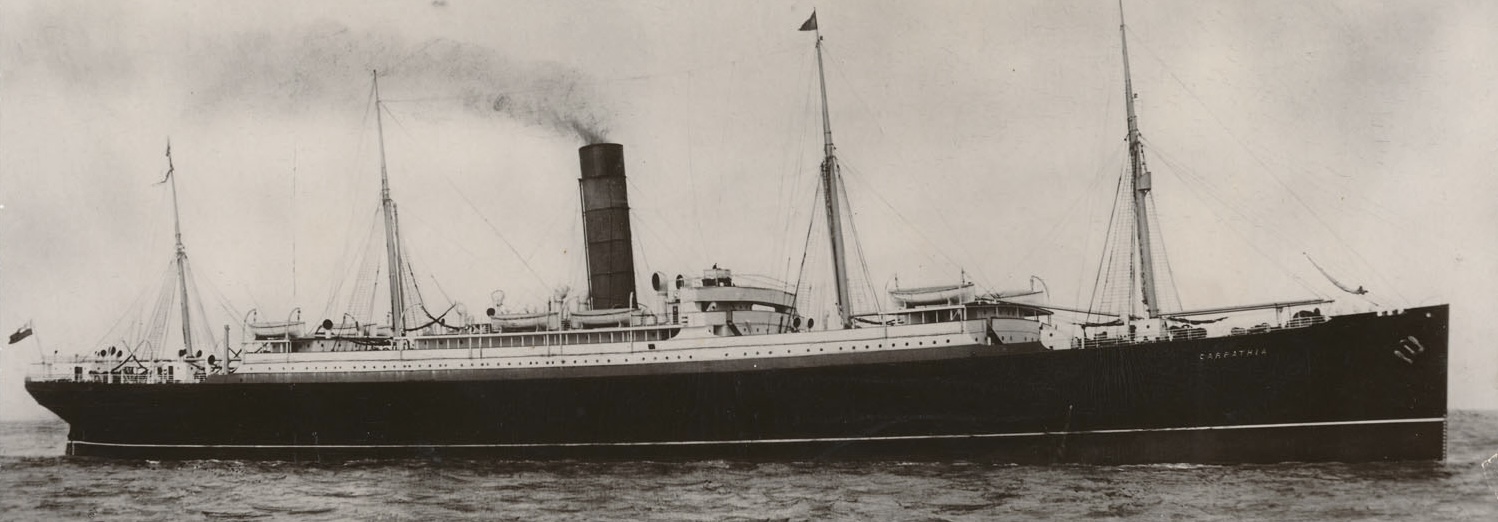
A reader-friendly bridge into Carpathia’s importance beyond one phrase: working liner, rescue ship, documentary trail, and wartime loss.
Read bridge page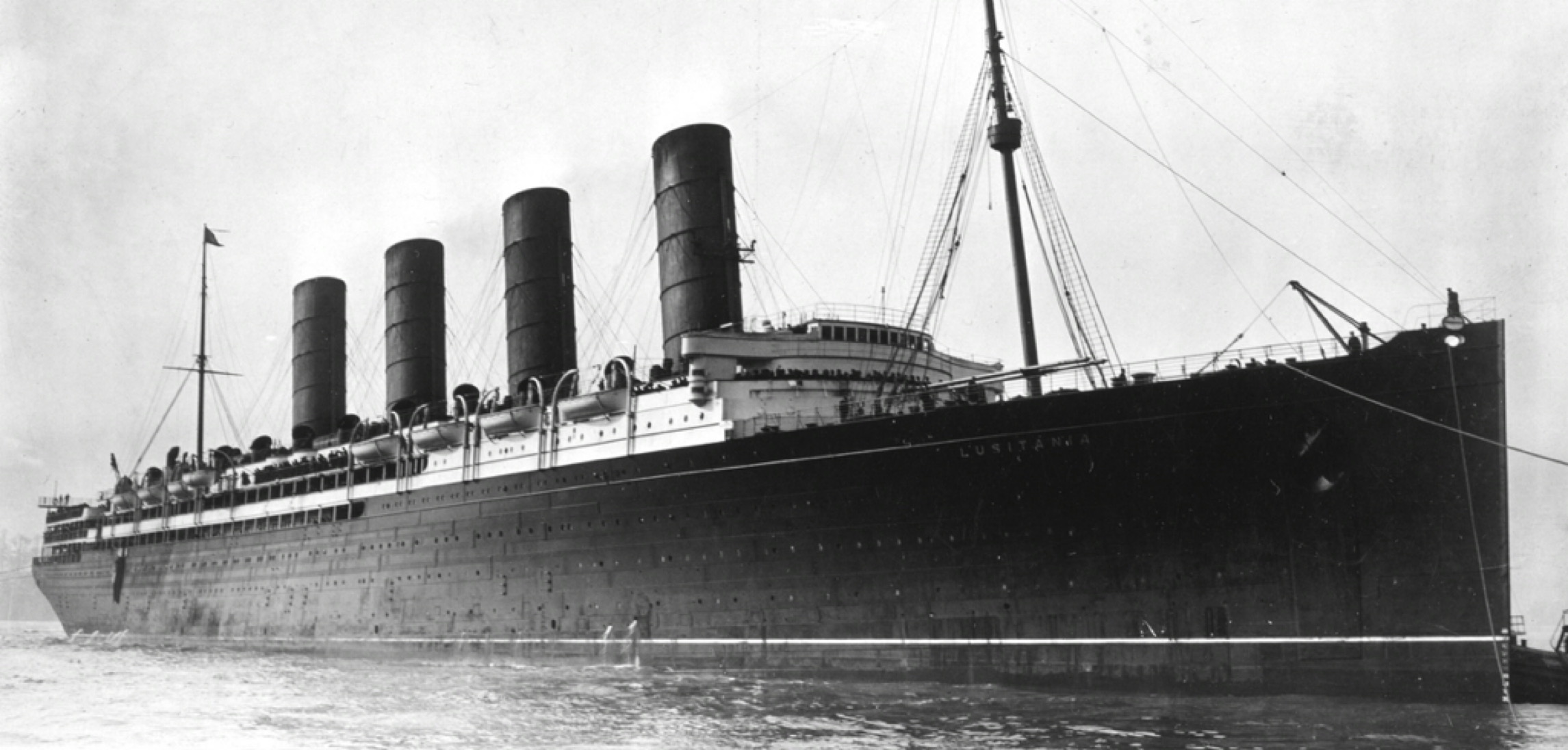
A reader-friendly explanation of why Lusitania matters beyond the sinking itself.
Read bridge page Lusitania Sinking TimelineCunard Line makes more sense when its ships are seen in groups: early mail steamers, express rivals, Titanic-connected rescue history, wartime service, and the long Queen Mary / Queen Elizabeth / QE2 afterlife.
Use these ships as a curated route through Cunard’s wider fleet, from foundational mail steamers to the liners that shaped speed culture, rescue memory, and the twentieth-century public image of the Atlantic crossing.
One of Cunard’s founding transatlantic mail steamers and a useful starting point for understanding scheduled Atlantic service.
Open ship guideA famous Cunard express liner whose loss became central to wartime memory, civilian shipping vulnerability, and Atlantic prestige.
Why RMS Lusitania MattersA reader-friendly explanation of why Mauretania matters beyond speed records and Cunard prestige.
Why RMS Mauretania MattersA bridge between Edwardian, wartime, interwar, and postwar liner worlds—one of Cunard’s most useful ships for continuity.
Why RMS Aquitania MattersA clear interpretive bridge for readers who know Carpathia only through Titanic rescue memory.
Why RMS Carpathia MattersA dedicated hub for speed, wartime service, preservation, public memory, and the ship’s survival in Long Beach.
Open hubCunard is not just a handful of famous ships. It is a long company story about schedule reliability, mail service, speed, national prestige, wartime mobilization, preservation, and the changing meaning of ocean-liner travel.
Cunard’s early importance begins with regularized transatlantic service. That emphasis on dependable crossings shaped the company long before the famous four-funnel express era.
Cunard’s most famous ships often sit at the intersection of engineering ambition and public memory: Lusitania, Mauretania, Aquitania, Carpathia, Queen Mary, Queen Elizabeth, and QE2.
Titanic often leads readers to Cunard through Carpathia, Lusitania, Mauretania, and the wider North Atlantic rivalry between great shipping companies.
The featured ships above are interpretive entry points. This index keeps the wider Cunard fleet directly reachable from the company hub, including working liners, transitional ships, postwar vessels, and repeated ship names that can otherwise be difficult to discover.
These pages help connect Cunard Line to rescue history, speed culture, preservation, war service, company rivalry, and the larger ocean liner archive.
A famous Cunard liner central to questions of civilian shipping, wartime memory, Atlantic prestige, and public interpretation.
Open ship guide
A long-lived speed symbol that helps define Cunard’s early-twentieth-century identity and record-breaking public image.
Open ship guide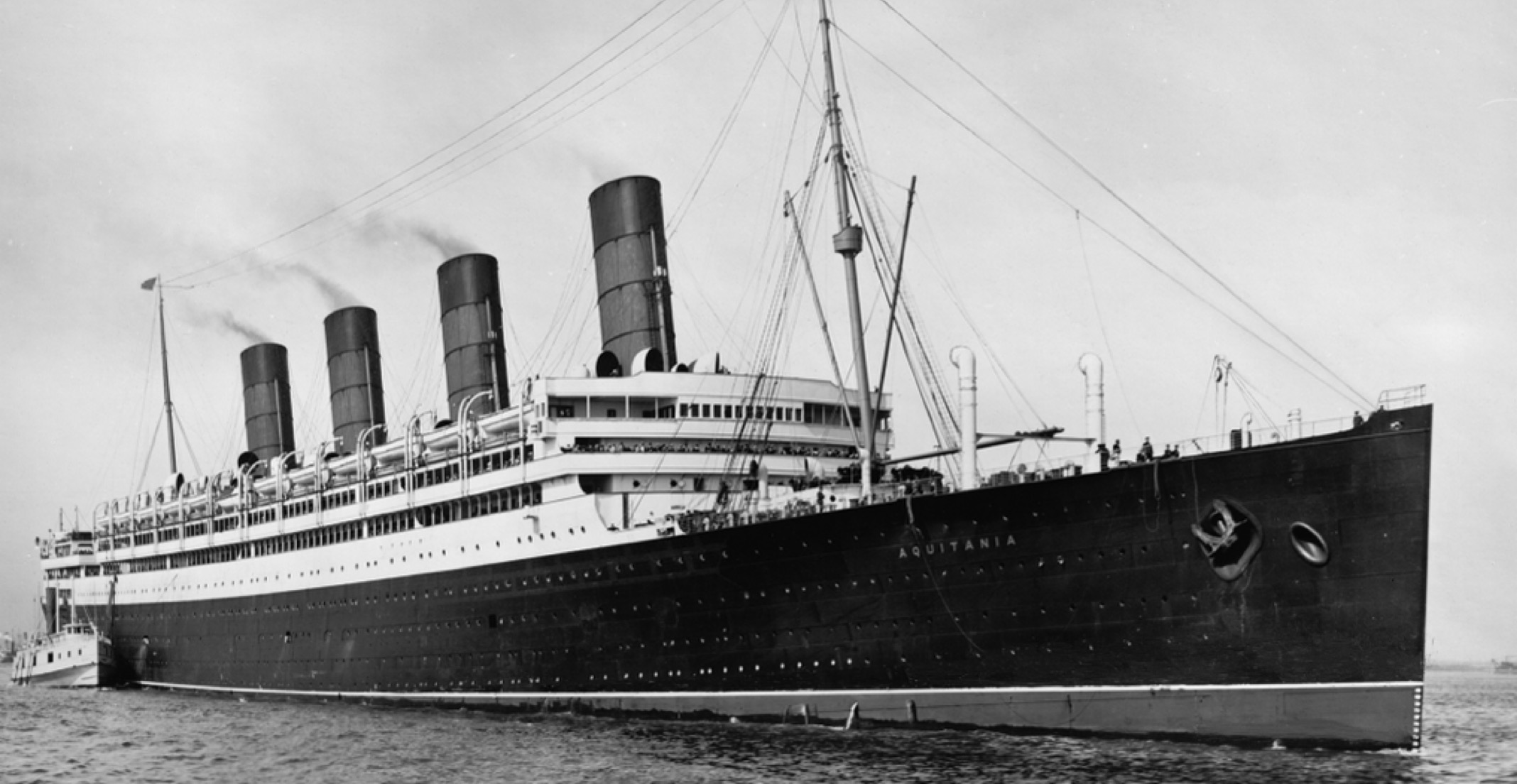
A long-lived Cunard liner connecting Edwardian luxury, wartime service, interwar travel, and postwar continuity.
Open ship guide
The Cunard working liner whose rescue of Titanic survivors gives her one of the clearest documentary and emotional roles in liner history.
Open ship guide
A defining Cunard liner of the mature Atlantic age: speed, wartime transport, preservation, and long public memory in one ship.
Open ship guide
Use the Ship Archive’s shipping-line filter to move through Cunard ships by name, year, and fleet context.
Open archiveThese shorter pages help separate company history, Titanic connections, public memory, travel experience, and broader ocean liner context.
Cunard Line belongs to a larger network of companies, routes, rival fleets, technological change, and long-distance passenger travel.
Begin with the famous ships if that is what brought you here, then move outward into early mail steamers, express liners, rescue history, wartime service, Queens, and the larger Atlantic liner world.
This page is meant to keep Cunard’s famous ships connected to schedule, service, technology, war, evidence, and memory—without flattening the company into only its most familiar names.